The Role of Fog in Maritime Disasters
The Role of Fog in Maritime Disasters
Fog has long been recognized as a significant navigational hazard in maritime operations. This natural phenomenon can obscure vision, leading to potentially catastrophic consequences for vessels at sea. Understanding the role of fog in maritime disasters is crucial for improving safety and developing effective mitigation strategies.
Navigational Challenges
Fog creates navigational challenges primarily due to its ability to significantly reduce visibility. Typically, fog forms when relative humidity reaches a point where water vapor condenses into small liquid droplets suspended in the air. This process can occur both over land and sea. In maritime contexts, fog can envelop entire ship decks, providing limited to no visual cues for mariners, which poses severe operational hurdles.
Impact on Visibility
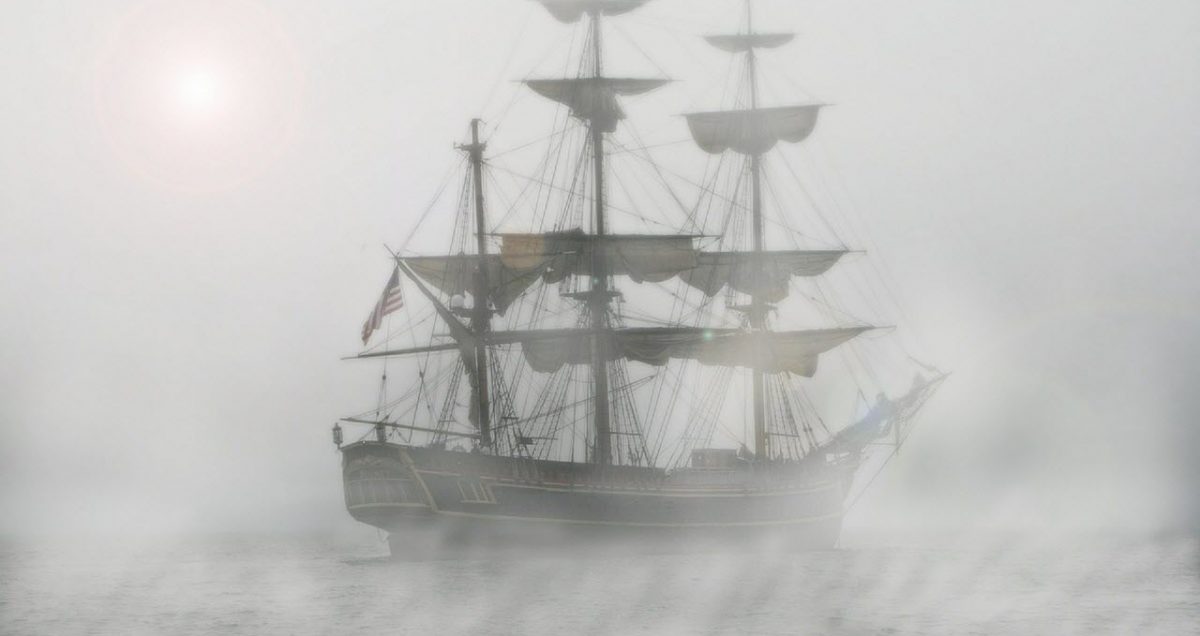
The reduction in visibility caused by fog can vary considerably, from a few meters to several kilometers. Such drastic reductions impair the ability of ship crews to visually detect obstacles such as other vessels, land formations, and navigation aids like buoys and lighthouses. This dense atmosphere also hampers the performance of radar and other technological navigational aids, further complicating steering and routing. In dense fog, even the most advanced radar systems can struggle to distinguish between moving vessels and stationary objects, posing an added layer of difficulty in making navigational decisions.
Moreover, fog not only affects surface navigation but also impacts aerial operations, such as search and rescue missions, which rely on visual and radar detection. The challenge extends to the approach and departure of helicopters and aircraft involved in maritime logistics, adding a further level of complexity to operations. As decision-making is often delayed when visibility is greatly reduced, the margin for error narrows, increasing the risk of accidental collisions or wrong turns.
Historical Incidents
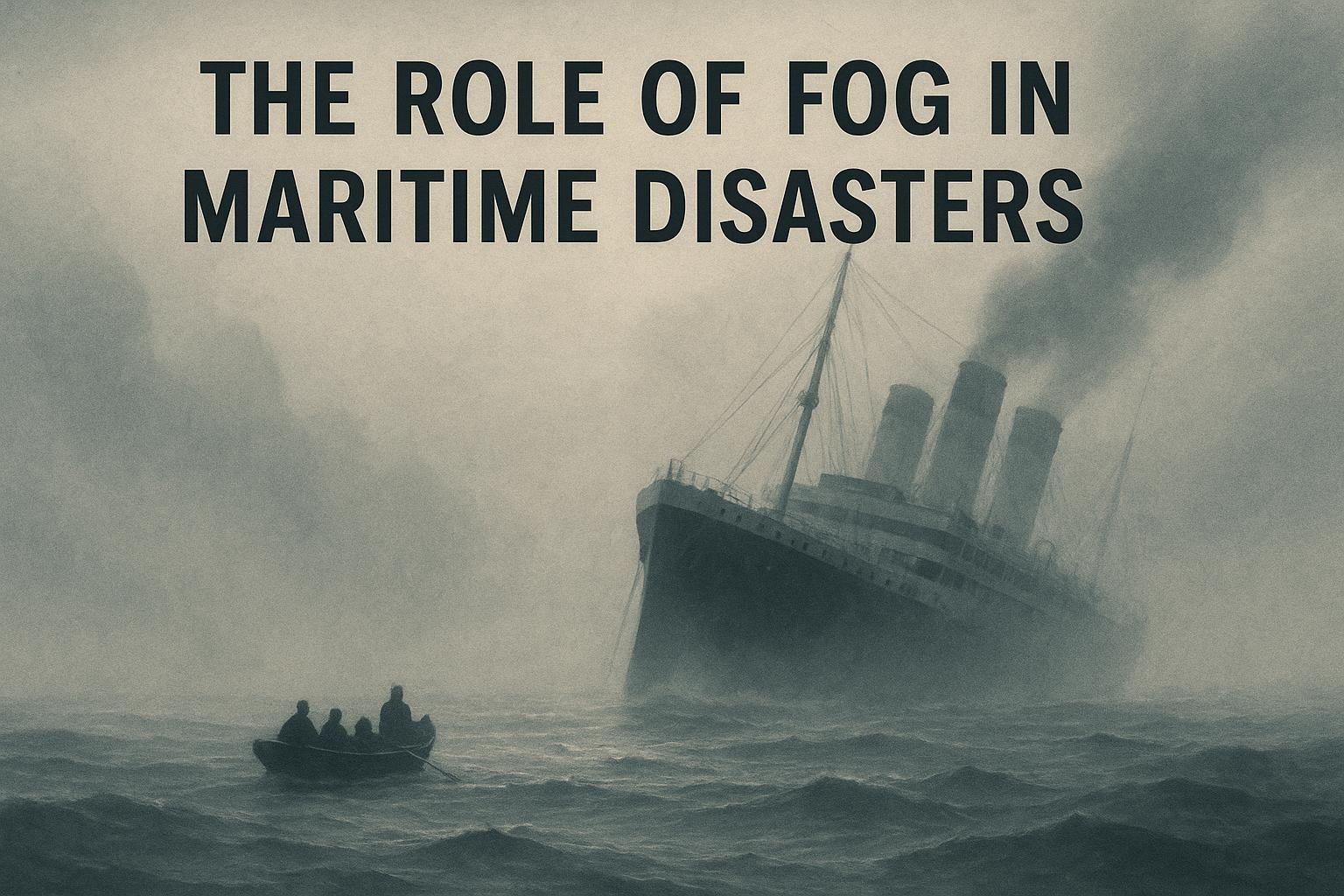
Throughout history, fog has been a common factor in numerous maritime disasters. Notable incidents, such as the collision of ocean liners in dense fog, highlight the dangers of this natural phenomenon. Reduced visibility impedes both situational awareness and reaction time, increasing the likelihood of collisions and grounding. The history of marine navigation notes several infamous disasters where fog played a critical role. For instance, recorded cases during the early 20th century showcase incidents where massive ocean liners, fully capable though dependent on sight, collided despite their advanced engineering.
The Empress of Ireland disaster in 1914 serves as a poignant example. With fog descending suddenly, the two vessels involved were unable to see each other until it was too late to alter their courses significantly. Analyses post these incidents often point to fog as a central factor, underscoring its historical significance as a maritime threat and pushing advancements in navigation technology forward. Grounding incidents also reveal the persistent danger posed by fog, as even the loss of landmark visibility can mislead navigators, guiding vessels into shallow waters unexpectedly.
Technological Interventions
To combat the challenges posed by fog, advancements in technological interventions have been significant. Radar and sonar systems, equipped with improved capabilities, allow for the detection of surrounding vessels and obstacles despite reduced visibility. This includes the ability to anticipate and adapt to other vessels’ movements, thereby providing a comprehensive situational awareness that raw visibility would otherwise miss.
Additionally, modern-day ships are increasingly equipped with sophisticated navigational tools, such as Automatic Identification Systems (AIS) and GPS, which provide vital positional and movement data to aid navigation. These systems serve not only to ensure locational accuracy but also to communicate effectively with nearby vessels, sharing vital course and speed information, which is crucial when direct communication via sight is not possible. The integration of such systems into the core navigational operations of a ship underscores the importance of technical know-how among the crew, who must be able to interpret such data correctly to avoid hazardous situations.
Training and Preparedness
As part of strategic mitigation, training and preparedness play vital roles in minimizing the risk of maritime disasters caused by fog. Mariners undergo extensive training to navigate under poor visibility conditions, including the use of navigational equipment and adherence to safety protocols. These training programs are designed to simulate realistic maritime conditions where fog is a predominant factor, thereby enabling mariners to develop muscle memory for effective decision-making. Ship simulations and drill exercises replicate critical scenarios where fog reduces visibility, thereby honing skills that keep situational awareness sharp.
The importance of these training sessions cannot be understated as they prepare crews for spontaneous reactions and practiced maneuvers that can be life-saving. Such exercises also enhance team coordination, allowing for a seamless operation in cases where rapid communication can make the difference between disaster and safe passage. Furthermore, a well-prepared crew emphasizes the need for continuous education in utilizing modern technology, ensuring that the systems aboard, including radar and AIS, are used effectively to mitigate risks associated with fog.
Conclusion
Fog remains a significant threat to maritime safety despite technological advancements and improved navigational practices. The complexity of navigating in foggy conditions underscores the necessity for continued development in maritime technology and emphasizes the importance of proper training for maritime personnel. By prioritizing these areas, the maritime industry can better safeguard against disasters and ensure the continued safety and security of sea travel. The dynamic interplay between natural conditions and human operational capabilities necessitates ongoing research and improvement, highlighting both an opportunity and responsibility in maritime advancement.
For additional information on maritime safety strategies, visit the International Maritime Organization website.