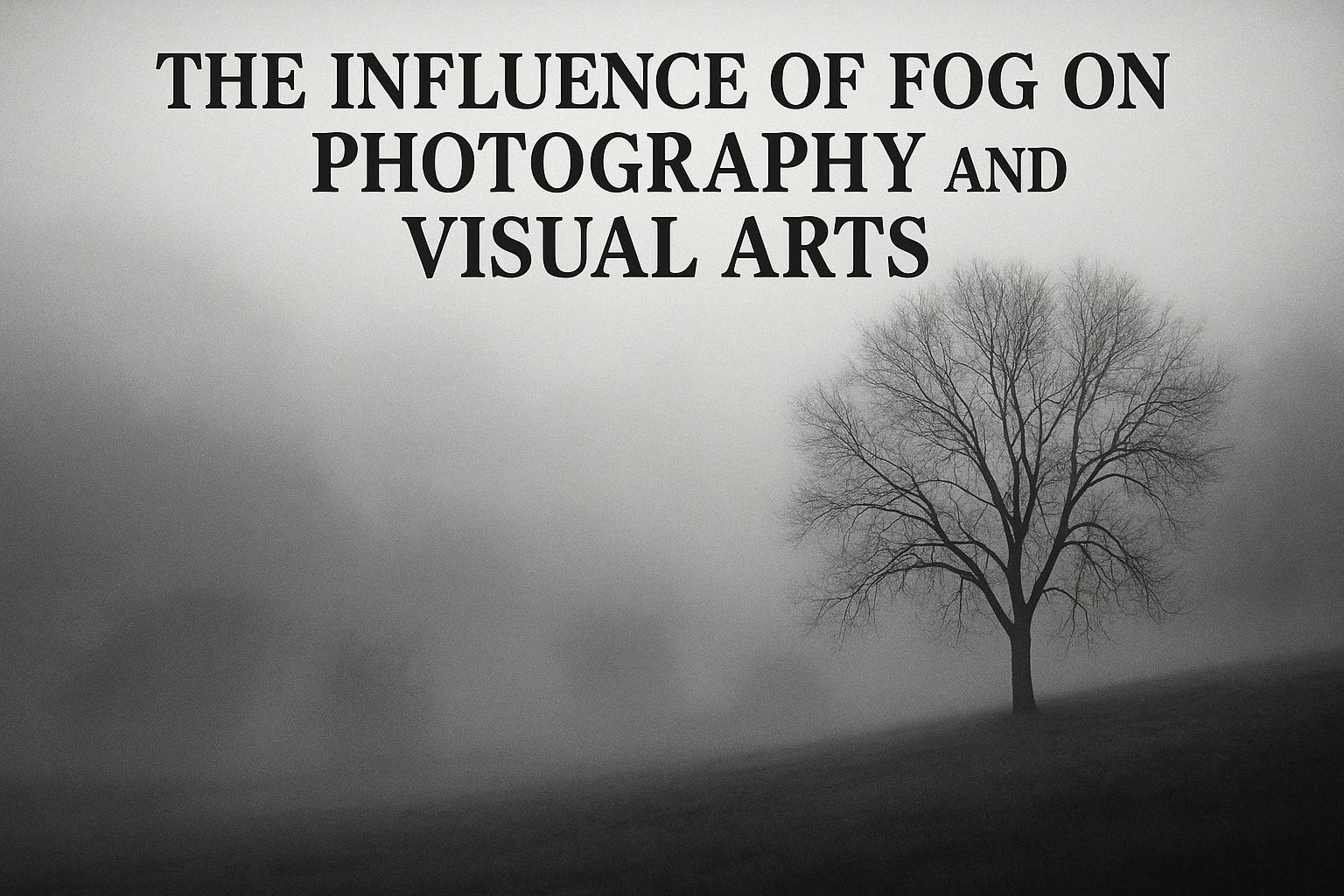
The Influence of Fog on Photography and Visual Arts
The Role of Fog in Photography
Fog has a distinct and captivating influence in the world of photography. As both a natural diffuser and a unique visual element, fog transforms ordinary scenes into mystical displays characterized by an enigmatic quality. The soft, diffused light provided by the fog eliminates harsh shadows and smoothens landscapes, creating ideal conditions for photographers attempting to capture high-contrast images. Its transformative power offers intriguing possibilities for various photography genres, enhancing mood and narrative depth.
Softening Effects
Fog acts as an atmospheric filter, effectively softening the sharp edges of objects within a scene. This results in images imbued with a dreamlike or surreal nature. When sunlight filters through fog, it achieves even lighting across various scene elements, beneficial for both portrait photography and intricate landscape shots. Photographers leveraging these conditions can produce images that possess a diffused charm, reminiscent of enchanted worlds. The softening effects aid in crafting emotive imagery while maintaining the clarity needed for compelling visuals. Furthermore, the subdued lighting conditions inherent in foggy weather enable portrait photographers to achieve a serene and flattering depiction of their subjects.
Application in Portraits
In portrait photography, fog serves as a natural softbox, casting even, gentle illumination over subjects. This environment tempers the harshness of direct sunlight or artificial lighting, ensuring that skin tones appear more natural and reducing the visibility of imperfections. This quality can enhance the emotional engagement of portraits, presenting subjects in a flattering, harmonious light.
Landscape Photography Enhancement
For landscape photographers, fog introduces a layer of complexity and nuance to compositions. By masking parts of the terrain, it draws attention to specific elements within the frame, guiding the viewer’s eye along a path of discovery. The interplay of visible and obscured features enriches the narrative potential of landscape photos, allowing photographers to highlight details that may otherwise go unnoticed.
Depth and Perspective
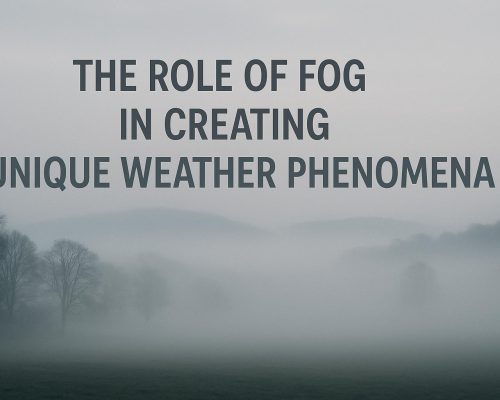
The inherent characteristics of fog often amplify the perception of depth in photographs. By obscuring and revealing elements at varying distances within a scene, fog creates a natural layering effect. Photographers frequently harness this property to emphasize perspective, introducing a sense of depth and mystery into their compositions. Scenes layered with fog prompt viewers to ponder what lies beyond the visible, adding an interactive element to the photographic experience. This veiling and unveiling of details enhance narrative engagement, inviting viewers to interpret the story of the image actively.
Layered Composition Techniques
Incorporating fog into layered compositions allows photographers to manipulate focus and depth of field creatively. Deploying wide apertures, for instance, facilitates the separation of foreground elements from their background, reinforced by the fog’s natural blurring effect. This selective focus technique sharpens the sense of depth, inviting viewers to explore the spatial dimensions within the frame.
Enhancing Visual Interest
Fog’s stratifying action on visual scenes motivates photographers to play with framing and positioning, capitalizing on the multifaceted drama it introduces. Photographers can utilize foreground silhouettes against distant elements veiled in fog to fashion images rich with narrative and visual tension, enhancing viewer engagement through thoughtful composition.
Capturing Motion
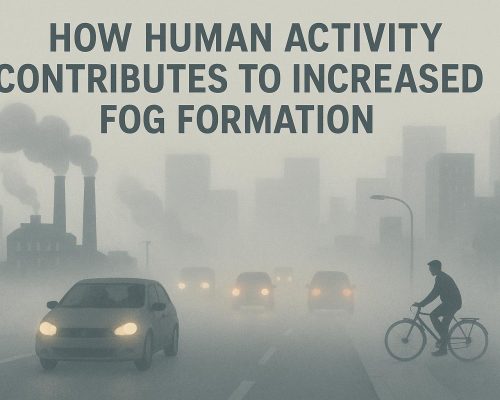
Capturing dynamic subjects amidst fog presents a captivating opportunity to underscore motion within photographs. In an environment where vehicular or pedestrian movement intersects with fog, photographers can highlight the passage of time and the ephemeral nature of momentary interactions. This is particularly compelling within urban settings, where fog drapes buildings and infrastructure, creating fascinating contrasts and points of interest. Such scenarios breed a visual dialogue between static structures and moving entities, inviting exploration of temporal sequences and transitions.
Urban Fog Photography
Urban landscapes shrouded in fog transform into stages for dynamic storytelling. The veil of mist imparts an air of mystery, compelling photographers to engage with architectural forms in new ways. Within these environments, movement becomes more pronounced, offering creative opportunities to capture moments that blend human presence with the rigid lines of urban infrastructure.
Techniques for Capturing Motion
Techniques such as long exposure can amplify motion within foggy scenes, producing striking visual effects. By slowing down the shutter speed, photographers can document trails of light or the graceful blur of moving elements against static backdrops. This interplay adds richness and energy to images, reinforcing the ethereal qualities of fog-covered settings.
Fog in Visual Arts
Beyond photography, fog serves as a powerful tool in the wider spectrum of visual arts, invoking emotions and suggesting intricate themes. Within painting, film, and digital art, the integration of fog brings depth, subtlety, and complexity to visual narratives. Its multifaceted role enhances thematic richness, contributing to nuanced interpretations and audience engagement across diverse mediums.
Use in Painting
Throughout art history, painters have employed fog to infuse their works with ambiguity and layered meanings. Incorporating misty elements within paintings can elevate an ordinary scene into one rich with intrigue and narrative depth. Across both historical and contemporary contexts, artists have explored fog’s ability to signify atmospheres and moods, establishing it as an esteemed element within their creative arsenal.
Historical Context
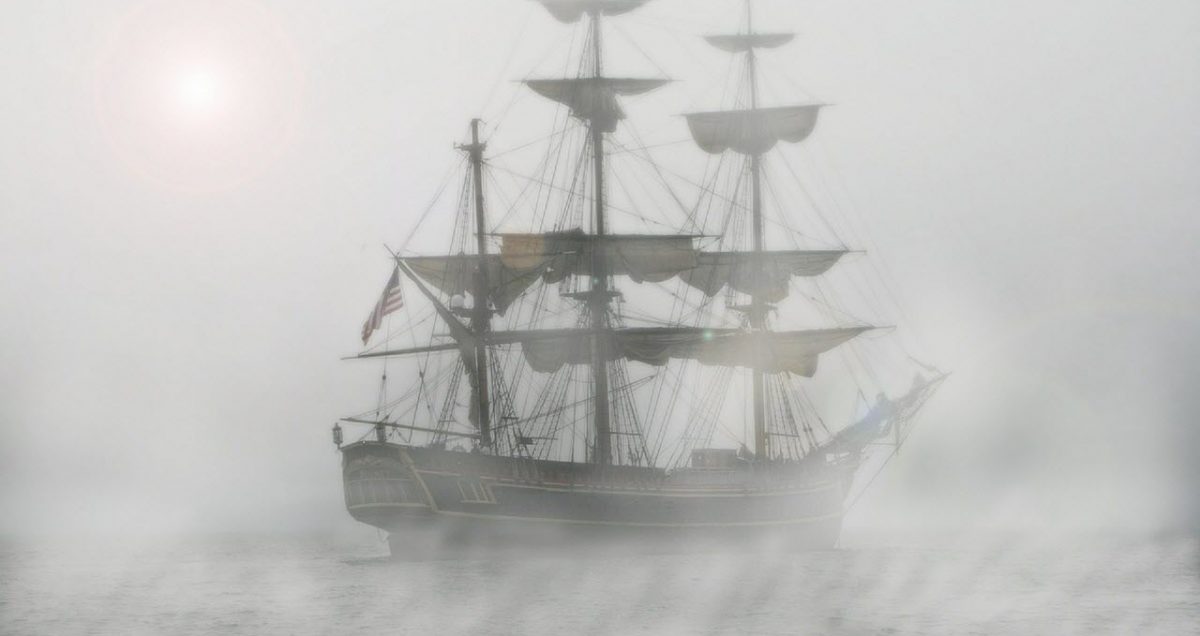
In classical and romantic art movements, for instance, artists utilized fog to evoke moodiness and temporality, contributing to the overall ambiance of their work. Mist enveloped landscapes and cityscapes, fostering ethereal and otherworldly atmospheres that remain impactful today.
Contemporary Applications
Modern artists continue this tradition, experimenting with the interaction of light, shadow, and opacity characteristic of fog. By embedding fog within contemporary narratives, these artists harness its evocative influence to enhance storytelling, often leaving room for personal interpretation and reflection.
Film and Digital Art
Film directors and digital artists frequently deploy fog as a narrative tool to influence mood and tension within scenes. In cinematography, fog is a favored technique for crafting suspenseful and atmospheric moments, impacting audience perception and emotional response. Digital artists, similarly, utilize fog effects to augment storytelling within visual media, enhancing audience immersion through layers of visual complexity.
Cinematographic Techniques
In film, strategic placement of fog elements contributes to scene setting, shaping the mood and intensity. It facilitates the transition between scenes or moments, often serving as a metaphor for the changes and unpredictabilities within the storyline, thereby deepening audience engagement.
Digital Art Dynamics
Digital artists exploit fog’s versatile properties through software, crafting intricate visual layers that reflect the fluidity and spontaneity of natural fog. These digital compositions introduce a dynamic interplay between form, color, and opacity, mirroring the mercurial behavior of fog in real life to evoke emotion and intrigue.
Symbolic Interpretations
In visual art narratives, fog consistently symbolizes uncertainty and transition, reflective of its transient nature. This symbolism evokes themes of mystery, change, and the passage of time, with artists and photographers frequently employing fog to subtly hint at these concepts visually. Such portrayal often encourages audience interpretation, resulting in deeper engagement with the artwork’s underlying message.
Thematic Representation
Fog’s ephemeral qualities resonate with themes of impermanence and introspection. Artists using fog as a symbol in their work often evoke existential questions, prompting audiences to contemplate the intersections of reality, illusion, and the unknown.
Audience Engagement
The open-ended nature of fog as a symbolic element invites a multiplicity of interpretations. Engaging with such artwork becomes a participatory experience, encouraging viewers to project their perspectives and emotions onto otherwise static scenes, enriching the artistic dialogue between creator and observer.
Conclusion
Across photography and broader visual arts, fog remains an instrumental and dynamic element. Its capacity to transform scenes into softer, more mysterious versions renders it a preferred choice among artists aiming to imbue depth, mystery, or emotion within their work. Whether shrouding landscapes, enhancing portraits, or crafting narrative complexity in film and digital environments, fog’s influence pervades the spectrum of visual arts, attesting to its impactful role in creative expression. For those wishing to explore how environmental conditions affect artistic pursuits further, diving into creative resources can offer enriched understanding and inspiration.