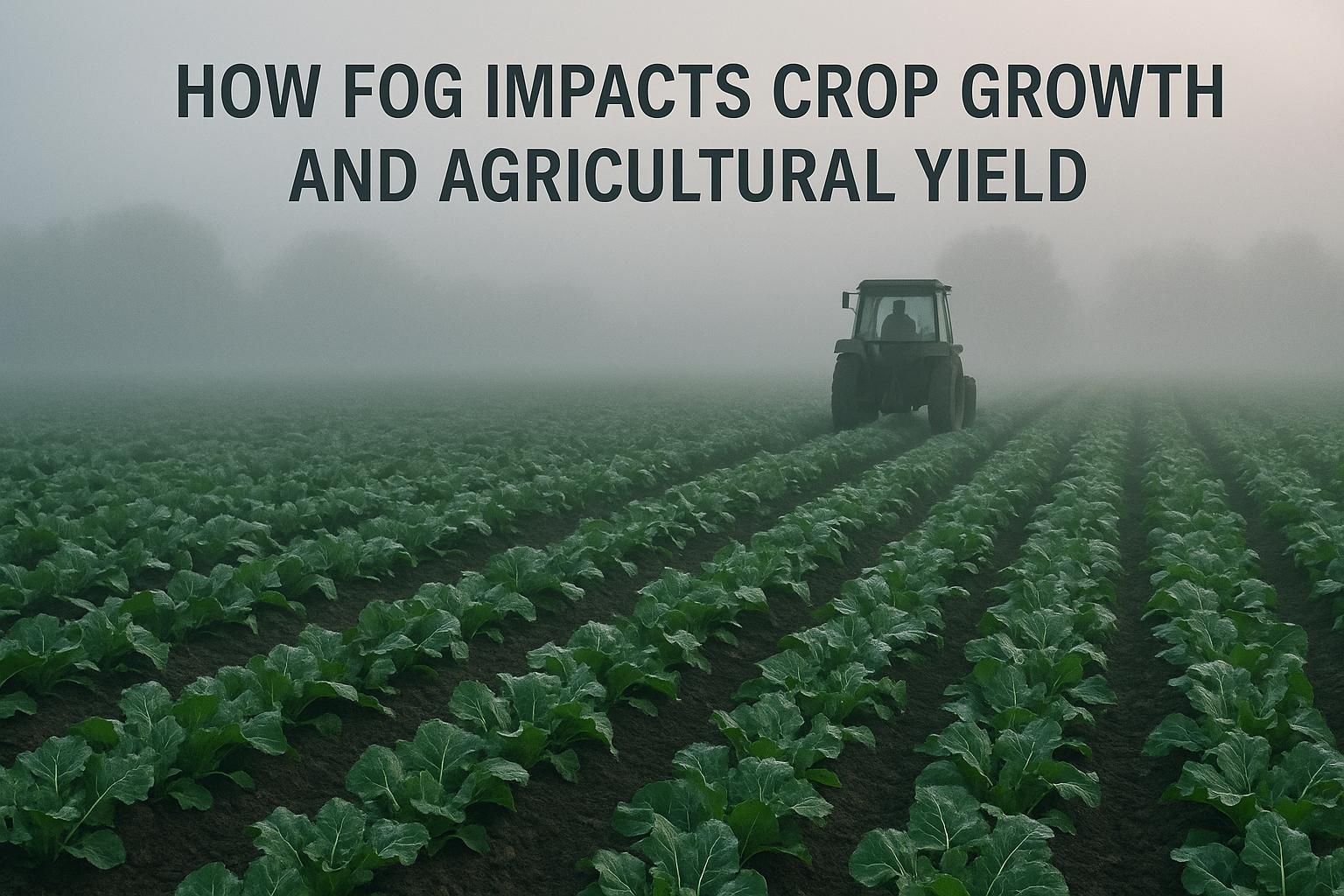
How Fog Impacts Crop Growth and Agricultural Yield
Introduction to Fog and Agriculture
Fog, a meteorological phenomenon characterized by low-lying clouds, has a profound impact on agricultural practices and outcomes. The dense moisture-laden air associated with fog can influence crop growth and yield in myriad ways, offering both advantages and challenges. For farmers operating in regions where fog is prevalent, understanding these impacts is not only beneficial but essential.
Beneficial Impacts of Fog on Crops
Fog can serve as an essential alternative water source, particularly in arid and semi-arid regions. The fine droplets suspended in the air have the potential to condense on plant surfaces, providing additional moisture without the need for irrigation systems. This natural mechanism of moisture delivery serves to conserve water resources, which is particularly crucial in areas facing water scarcity, and helps in lowering operational costs for farmers. Moreover, the high humidity levels that accompany fog can prevent water stress in plants, encouraging robust and healthy growth.
Microclimate Regulation
One of the critical roles fog plays in agriculture is the regulation of microclimates surrounding crops. By acting as a thermal insulator, fog helps in preventing sudden temperature fluctuations, which can be extremely harmful to sensitive plant species. Consistent temperature maintenance is crucial, especially during transitional weather periods. Fog can, therefore, offer a protective measure against frost, lowering the risk of frost damage, and safeguarding crops during cooler conditions.
Detrimental Effects of Fog
Despite the many advantages, fog also presents challenges that should not be ignored. Prolonged exposure to high humidity levels creates an environment conducive to the proliferation of various plant diseases. Fungal infections such as powdery mildew and botrytis are particularly fond of foggy conditions and can severely impact crop health and output. These diseases can result in considerable yield losses if not managed properly.
Reduction in Photosynthesis
The presence of fog can also hinder the availability of sunlight to crops, thereby impacting the process of photosynthesis. Sunlight is a core component of photosynthesis, crucial for the growth and energy production in plants. Reduced light exposure can lead to slower growth rates and poor quality crops. This adverse effect is amplified in regions where fog is a persistent or long-term daily occurrence, thus necessitating adaptive measures by the farmers to ensure crop productivity.
Strategies to Mitigate Fog-Related Challenges
To counteract the negative impacts presented by fog, farmers can employ several proactive strategies. Implementing fungicides helps manage the risk and spread of plant diseases exacerbated by foggy weather. Selecting crop varieties that exhibit greater resistance to disease can also be instrumental in minimizing potential losses, providing an extra layer of security against fog-induced agricultural challenges.
Fog Harvesting
In a bid to leverage the positive aspects of fog while mitigating its challenges, fog harvesting has emerged as an innovative technique. This involves using specialized nets or mesh structures to capture water droplets present in fog. The water collected can be utilized for irrigation, proving beneficial in water-scarce regions heavily reliant on agriculture. As a sustainable solution, fog harvesting not only provides a water source but does so in an eco-friendly manner, aligning with broader environmental conservation efforts.
Conclusion
Ultimately, fog presents a dynamic interplay of both opportunities and obstacles in the realm of agriculture. With vigilant monitoring and strategic management practices, farmers can mitigate risks while harnessing the numerous benefits fog offers. Comprehensive research and continued examination by agricultural organizations are essential to unlock further understanding of fog’s influences. Developing strategies that capitalize on fog’s positive impacts while minimizing its adverse effects chart a path toward enhanced crop productivity, sustainability, and resilience against climatic uncertainties.
By continuously adapting agricultural practices to the challenges and opportunities presented by fog, farmers can improve not only crop yield but also ensure the sustainability of their ecosystems. Understanding fog’s multifaceted role in agriculture allows for more informed decision-making that benefits not only the immediate farming communities but also plays a part in addressing broader environmental and agricultural challenges globally.