The Impact of Fog on Snowfall and Ice Accumulation
The Role of Fog in Weather Patterns
Fog is a weather phenomenon that manifests as the suspension of tiny water droplets in the air, leading to a significant reduction in visibility. It is often associated with humid plain conditions, but its role extends far beyond that, particularly in winter weather, where it affects snowfall and ice accumulation. While many might assume that fog has a minor impact on weather patterns, its presence has implications for temperature, moisture levels, and ultimately, the accumulation of snow and ice.
Fog and Snowfall
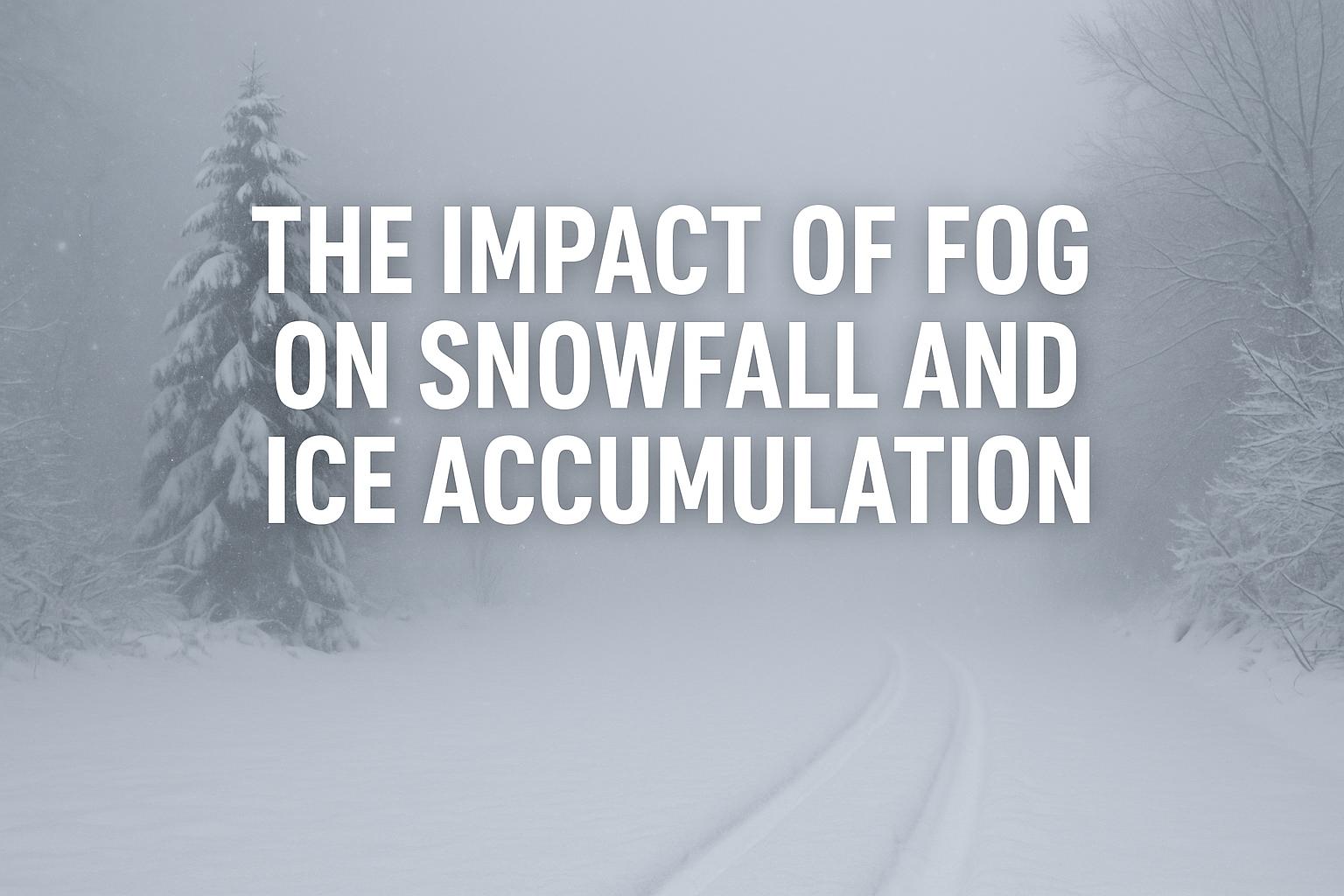
Fog’s interaction with snowfall can significantly influence weather conditions. When fog develops during snowy weather, the small water droplets present in the fog can freeze when they come into contact with snowflakes. This interaction enhances the adhesiveness of snow, allowing snowflakes to stick more readily to various surfaces. As a result, accumulation rates may increase, as snowflakes are better equipped to adhere to the ground, trees, and other surfaces in their path.
Different regions experience diverse interactions between fog and snow. In coastal regions, where sea fog is common, the interplay between fog and snow becomes more intricate. The temperature difference between the warmer sea and colder landmass can foster the formation of fog. When this fog drifts inland, it can lead to additional snowfall, occasionally affecting areas that are not directly within the initial weather system’s influence. This additional snow results from the increased moisture content present in fog, which, when integrated into snowflakes, contributes to heavier and denser snow compared to that which might fall in the absence of fog.
Fog and Ice Accumulation
The presence of fog impacts ice accumulation processes on various surfaces. During conditions of freezing fog, water droplets present in the fog can freeze upon contact with surfaces such as power lines, trees, and roadways. This phenomenon, known as rime icing, results in the formation of a layer of ice that poses a significant hazard. Such ice buildup can lead to disruptions in infrastructure, power outages, and hazardous travel conditions, marking the critical importance of monitoring freezing fog conditions.
Moreover, fog influences the albedo of surfaces it interacts with. Albedo measures the reflection of sunlight by a surface. When ice accumulates due to fog on surfaces, it can lead to a reduction in albedo. Consequently, these surfaces absorb more heat, which can cause localized melting followed by refreezing. This cycle complicates efforts to manage ice and maintain surface safety, as continuous cycles of melting and refreezing present substantial challenges.
Considerations for Weather Forecasting
Given the complex interactions between fog, snowfall, and ice accumulation, it becomes crucial for meteorologists and weather forecasters to consider the role of fog in their predictions. Accurate forecasts require acknowledging how fog can enhance snowfall accumulation, increase snow density, and contribute to ice accumulation through freezing processes.
Furthermore, understanding the geographical variability of fog’s impact is essential. Coastal areas, for instance, are particularly susceptible to complex fog-snow interactions due to the interplay between oceanic and terrestrial temperatures. Accurate forecasts in these regions must consider the intricate dynamics at play.
Implications for Infrastructure and Safety
The impact of fog on weather patterns has significant implications for infrastructure and safety management. Accumulation of ice due to freezing fog presents a distinct challenge for maintaining the safety and integrity of infrastructure, including roads, bridges, and power supply systems. Areas prone to fog-related ice accumulation must implement robust strategies to mitigate risks, including de-icing processes and infrastructure design adaptations to withstand the weight of accumulated ice.
Transportation safety is also a critical concern. Roads covered in ice due to fog can become treacherous, increasing the likelihood of vehicular accidents. Ensuring safe travel in fog-affected areas requires timely dissemination of weather information, road treatments to prevent ice formation, and public awareness campaigns to alert residents and travelers to potential hazards.
The Broader Environmental Impact
Beyond immediate weather events, fog’s role in weather patterns extends to broader environmental impacts. Changes in snow and ice accumulation affect watersheds, influencing water availability and quality. Snow’s water content has implications for spring melts, affecting river flows and water supplies for communities and ecosystems.
Moreover, the local warming effect due to reduced albedo from ice accumulation can impact nearby ecosystems by altering temperature conditions. These changes affect plant and animal habitats, sometimes resulting in shifts in species distributions and behaviors. Understanding these broader impacts aids in developing adaptive strategies for environmental conservation amidst changing climatic conditions.
Conclusion
While fog might not be the primary consideration when discussing snowfall and ice accumulation, its impact is significant, particularly in specific regions and conditions. Fog enhances moisture content in snowfall, affecting both accumulation rates and snow density. Additionally, fog facilitates ice accumulation through freezing processes, posing challenges for infrastructure and safety.
Comprehensive weather forecasting and effective management of winter weather conditions necessitate an understanding of fog’s influence on these phenomena. As fog continues to play its crucial role in weather patterns, both immediate and far-reaching, addressing its impacts can enhance preparedness and resilience in the face of winter weather challenges.
For a more extensive understanding of winter weather patterns and how fog interplays with these dynamics, consider consulting additional resources such as NOAA’s official site.