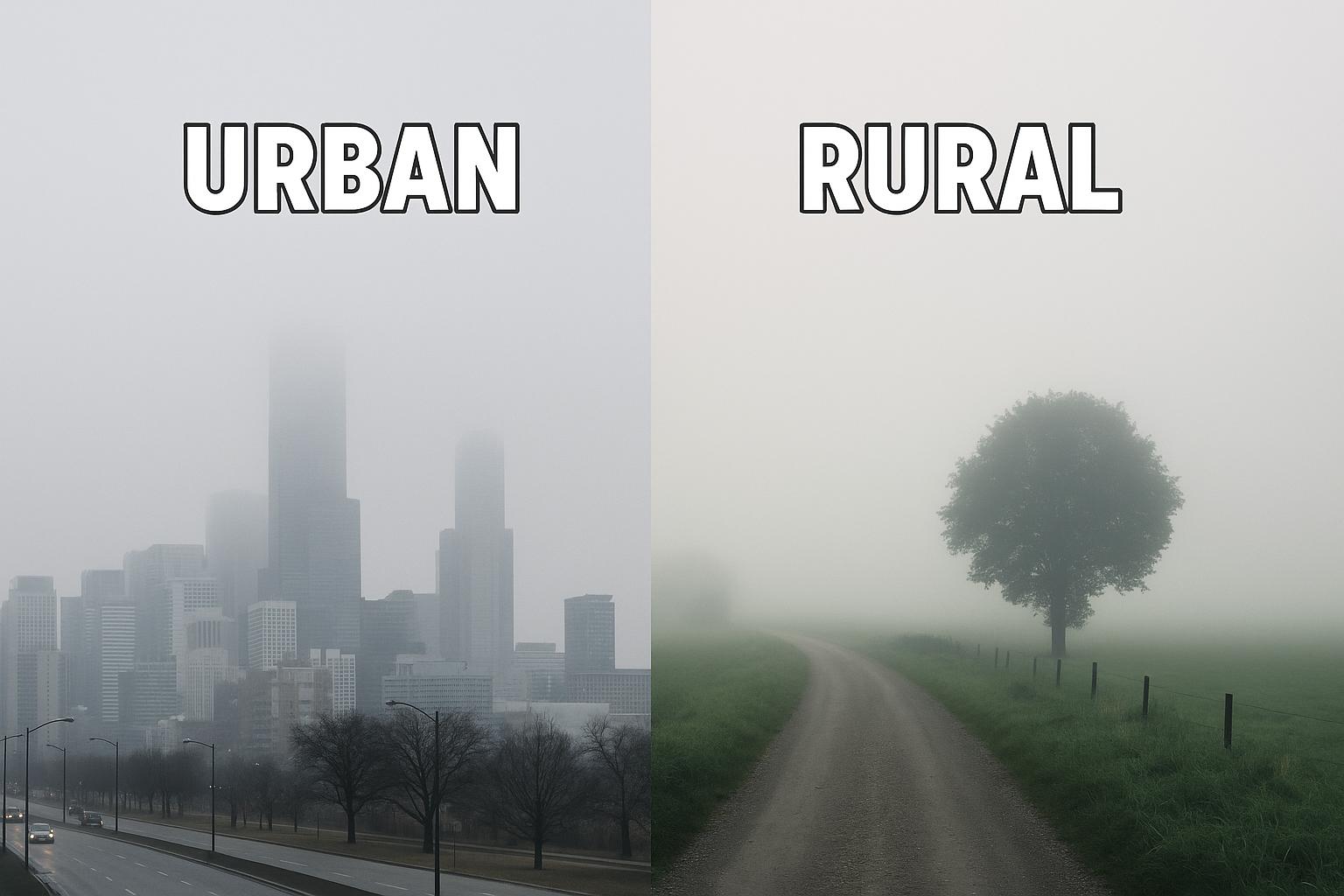
The Differences Between Fog in Urban vs. Rural Areas
Understanding Fog in Urban vs. Rural Areas
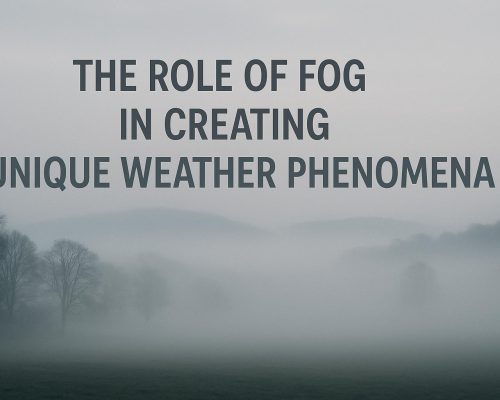
Fog is a fascinating meteorological phenomenon where **water vapor condenses** into tiny droplets, suspending in the air and significantly reducing visibility. Although the fundamental mechanism of fog formation is consistent across different settings, there are notable distinctions in the characteristics and prevalence of fog in urban and rural scenarios due to varying environmental factors. This exploration delves deeper into how these settings influence fog development and its implications.
Characteristics of Urban Fog
Urban environments, characterized by extensive infrastructure and elevated concentrations of pollutants, present unique attributes concerning fog formation. Human-made structures like buildings and **paved surfaces** create a microclimate that influences how fog develops and dissipates.
Urban Heat Island Effect
The phenomenon known as the **Urban Heat Island (UHI)** effect is prevalent in cities where human activities contribute to a significant temperature rise compared to surrounding rural areas. This effect influences fog by modifying air temperature and moisture levels. Heat from buildings, vehicles, and other sources increases the air’s moisture-holding capacity before reaching saturation. Consequently, the potential for fog formation decreases, leading to lower fog density in urban areas.
Air Pollution
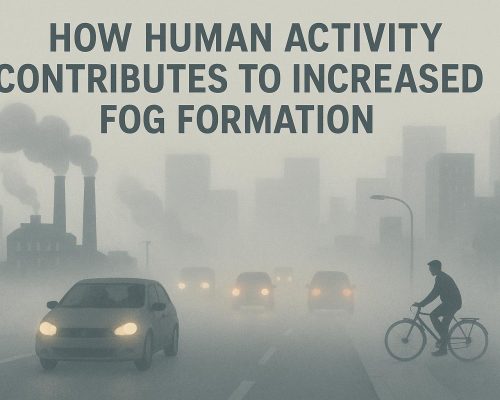
Air pollution is a critical issue in urban settings due to emissions from vehicles, industrial operations, and other activities. **Pollutants** such as particulate matter play a role in fog dynamics, resulting in the occurrence of smog—a blend of fog and pollutants. This mixture reduces visibility and poses health risks due to the presence of harmful substances. Urban fog, laden with pollutants, can thus present significant challenges both environmentally and health-wise.
Characteristics of Rural Fog
Contrastingly, rural areas experience fog relatively uninfluenced by human activities. **Natural landscapes** like forests, fields, and water bodies largely contribute to the distinctive properties of rural fogs.
Natural Vegetation and Topography
In rural environments, **vegetation** plays a crucial role in fog characteristics. Through the process of transpiration, trees and plants release moisture into the atmosphere, facilitating fog development, notably in valleys and regions with distinct topography. Such geographical features often **trap moisture**, leading to frequent and dense fog occurrences.
Lower Pollution Levels
A key distinguishing aspect of rural fog is the generally lower pollution levels, contributing to a cleaner fog with fewer **particulate contaminants**. As a result, visibility tends to be higher in rural fog compared to its urban counterpart. The minimal presence of particulate matter allows for less light scattering, enhancing the clarity even amid foggy conditions.
Implications of Fog Differences
Recognizing the differences in fog between urban and rural settings is essential, not only for meteorological purposes but also for addressing **visibility-related safety concerns**. These differences have varying impacts on residents, businesses, and governing bodies within these regions.
Transportation and Safety
Fog poses significant challenges to transportation systems across both settings. In urban areas, the confluence of **dense traffic** and poor visibility due to fog increases the accident risk. Conversely, rural roads, often less monitored and narrower, raise different challenges, particularly in regions with frequent fog occurrences. Mitigating these risks requires tailored approaches to traffic management and safety protocols.
Health and Environmental Impact
Although rural fogs remain comparatively free of severe pollutants, urban fogs often act as conduits for harmful substances, posing various health concerns. The interaction of fog with urban pollutants can aggravate **respiratory issues** among city dwellers. Additionally, unique **chemical reactions** transpiring within urban fogs can give rise to environmental issues, demanding attention and addressing.
For those curious about the divergent characteristics of fog in these environments, further exploration is encouraged. Local meteorological services and environmental studies offer more in-depth insights, facilitating a deeper understanding of fog phenomena. Such knowledge is not only scientifically rewarding but also critical in formulating informed decisions concerning **environmental management** and public health policies.