The Role of Fog in Creating Unique Weather Phenomena
Understanding Fog and Its Impact on Weather Phenomena
Fog, a common weather condition, is often perceived merely as a nuisance that affects visibility. However, the role of fog in creating unique weather phenomena is both fascinating and significant. This meteorological event occurs when water vapor condenses into tiny liquid water droplets suspended in the air. It is essentially a cloud at ground level and can profoundly influence environmental conditions.
Formation of Fog
Fog forms when the air near the ground cools to the dew point, causing moisture to condense. Several types of fog occur under different atmospheric conditions, including radiation fog, advection fog, upslope fog, and evaporation fog. Each type has its own formation process. Radiation fog occurs on clear nights with calm winds when the ground loses heat rapidly. Advection fog happens when warm, moist air moves over a cooler surface. Upslope fog develops when moist air is forced to ascend a terrain, cooling as it rises. Evaporation fog forms when cold air moves over warmer water, causing moisture to evaporate and saturate the air.
Influence on Temperature
Fog significantly impacts local temperatures. During the day, it can obscure sunlight, leading to cooler temperatures in areas where fog persists longer. At night, fog can act as an insulating layer, retaining heat and preventing temperatures from dropping too low. This moderating effect on temperature is particularly noticeable in coastal regions, where fog is more prevalent.
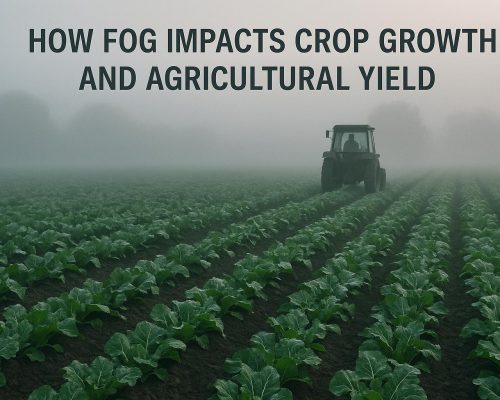
Fog serves as a thermal blanket in some maritime climates, creating a regulated atmosphere over a densely populated area or a sparsely populated coastal landscape. It acts as both a shield from intense solar rays during hot days and as an insulator during cooler nights, preserving precious warmth. Understanding how fog influences microclimates is essential for regional planning and development, particularly in areas heavily dependent on agriculture and tourism.
Role in Precipitation
Although fog itself does not fall as precipitation, it can contribute to rain. Fog droplets can merge to form larger droplets, which may precipitate if conditions allow. Additionally, fog can contribute to ecosystem hydration, especially in arid regions, through a process known as fog drip or occult precipitation. This occurs when fog condenses on vegetation and the droplets fall to the ground, providing moisture.
In ecosystems where water is scarce, fog serves as a critical source of moisture. Collecting moisture from fog—fog harvesting—has become a vital water supply method in parts of the world experiencing water scarcity. This atmospheric water collection technology also underscores how innovative adaptations are essential to cope with climatic extremes and changing weather patterns. The presence of fog in these regions can sustain local biodiversity, demonstrating the interconnectedness of weather systems and environmental health.
Fog and Climate
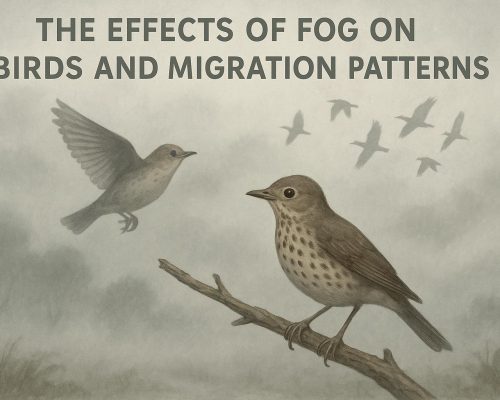
Fog also plays a role in local climate systems. In coastal areas, fog is a key feature of the climate, driven by ocean currents and prevailing winds. It can define the ecological characteristics of a region, supporting unique plant and animal life adapted to the moist environment created by frequent fog. For example, in places like California’s coastal redwood forests, fog supplies crucial moisture during the dry season, sustaining these ancient trees.
Examining the broader role fog plays in coastal ecosystems shows how vital it is to the balance within these environments. Regions where fog is common often harbor diverse ecosystems that have adapted to the moisture and reduced sunlight. This distinct pattern of fog formation extends far beyond mere weather conditions, influencing everything from the landscape to biodiversity, highlighting how closely intertwined atmospheric conditions and environmental characteristics are.
Impact on Human Activities
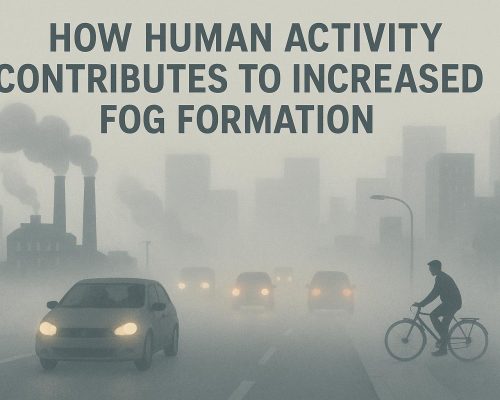
The presence of fog can affect human activities, particularly transportation. Visibility reductions can pose challenges for road, air, and maritime travel, leading to delays and requiring adaptation in navigation technology and strategies. Moreover, fog-related weather phenomena can impact agriculture, fossil fuel combustion, and even energy production, as humidity levels influence processes and efficiency.
Ensuring the safety and efficiency of these industries demands significant innovation and investment in technology. For instance, developing advanced systems to improve visibility, employing sophisticated forecasting methods, and implementing adaptive measures for weather conditions are crucial steps in minimizing fog’s impact on human activities. Adapting to life in fog-prone areas showcases human ingenuity and flexibility in the face of persistent natural challenges.
Conclusion
Understanding the role of fog in weather phenomena is crucial for appreciating its broader impacts. From influencing local climates to affecting human endeavors, fog is much more than a mere visibility challenge. Its presence underscores the complexity and interconnectedness of atmospheric processes.
Exploring the intricate dynamics of fog reveals its understated yet significant role in shaping our environment and influencing human activities. As we deepen our understanding of fog and its impact, we uncover important insights into atmospheric science and environmental stewardship. For those interested in further exploration of weather phenomena and their impact, visiting resources like the National Oceanic and Atmospheric Administration or the UK Met Office can provide valuable information and insights into these intricate natural processes.