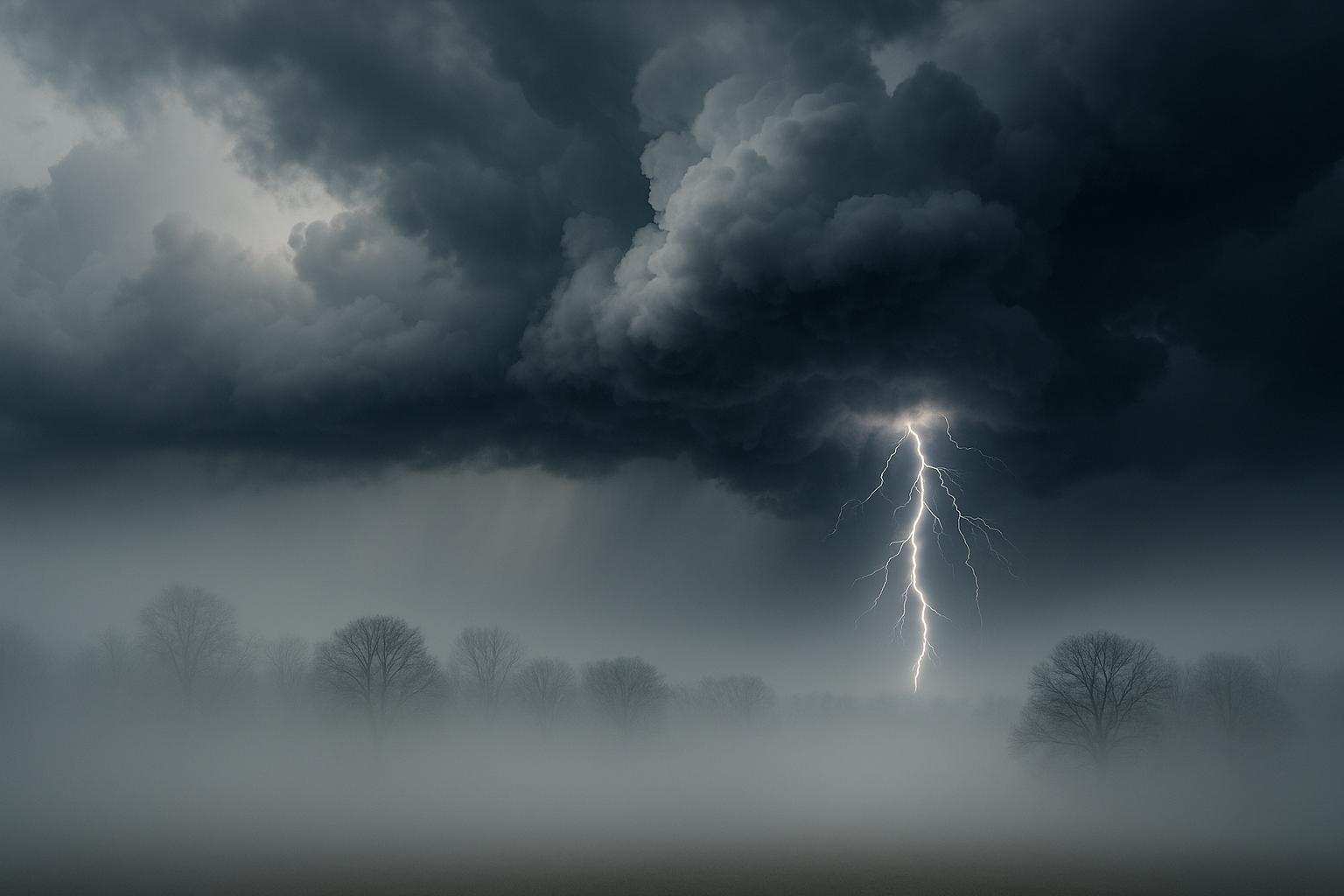
The Connection Between Fog and Storm Systems
The Connection Between Fog and Storm Systems
The interplay between fog and storm systems in the atmosphere is a complex and fascinating process that goes beyond the immediate perception of these phenomena as isolated events. Understanding their connection involves examining the underlying atmospheric dynamics that govern both occurrences.
The Basics of Fog Formation
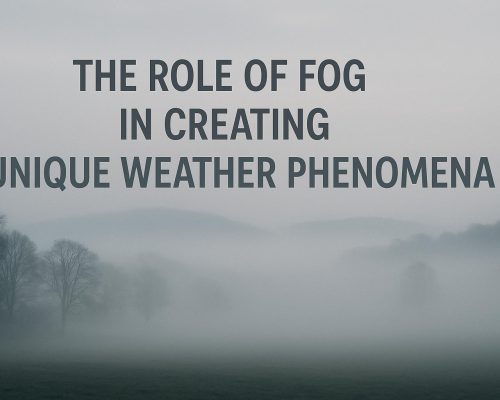
Fog is essentially a type of cloud that forms at ground level, made up of a multitude of minute water droplets suspended in the air. This phenomenon occurs when air close to the surface cools down to its dew point, leading to condensation. The cooling process that generates fog often results from the radiation of heat away from the ground or the interaction between moist air and cooler air masses. Broadly, this can be observed in various environments, from coastal regions where sea breezes bring moist air ashore to inland areas experiencing rapid cooling overnight.
Storm Systems: A Primer
Storm systems, including cyclones, hurricanes, and thunderstorms, involve extensive movements of air masses, primarily driven by differences in atmospheric pressure. These systems are often characterized by strong winds, varied precipitation patterns, and occasionally severe conditions like lightning and hail. The principal force behind storms is the dynamic transfer of heat and moisture within the atmosphere. This continuous exchange plays a significant role in the development and sustenance of storms, influencing their intensity and track.
Moisture Transfer and Fog
Moisture is a fundamental element in both fog and storm systems. The ability of storm systems to transport vast amounts of moisture over large distances can directly impact the atmospheric conditions in affected areas. For instance, when a storm system moves over a region, it can elevate humidity levels significantly, creating an environment conducive to fog formation. This is particularly evident in coastal zones where moist air, carried inland by storms, cools and leads to the generation of fog. In contrast, areas further from the moisture source might experience less fog formation directly from storm systems, but can still experience elevated atmospheric moisture.
Pressure Systems and Fog
The impact of atmospheric pressure systems on the development and dissipation of fog is particularly noteworthy. Low-pressure systems, which are frequently associated with storm environments, encourage air to ascend and cool. This cooling effect is critical for fog formation, provided that the humidity is sufficiently high. Additionally, such conditions can enhance fog density and coverage. In contrast, high-pressure systems exert an opposing force by promoting surface evaporation and stabilizing the lower atmosphere, often leading to the dissipation of fog. The balance between these pressure systems is a crucial determinant in fog dynamics over any given region.
Fog as a Precursor to Storm Systems
Interestingly, fog is not only a byproduct of existing atmospheric conditions but can also act as a harbinger of developing storm systems. In certain geographic areas, an increase in the frequency or density of fog can precede storm formation. This phenomenon arises because the same atmospheric conditions that promote fog—rising humidity and cooling temperatures—are also essential in accumulating the energy necessary for storm development. Therefore, observing changes in fog patterns can provide early indicators of potential storm activity, offering valuable insights during weather forecasts.
Impacts on Visibility and Safety
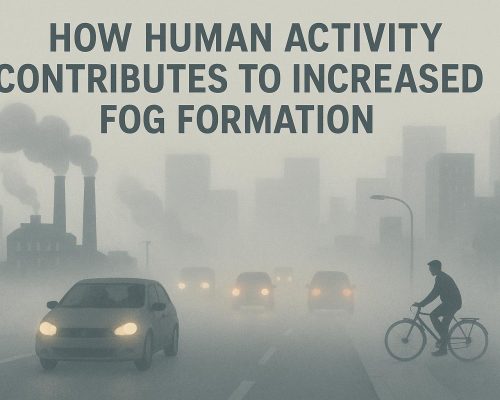
The coexistence of fog with storm systems presents significant challenges, particularly concerning visibility and safety. Dense fog can severely impair visibility on roads, in the air, and on water, making navigation hazardous. During severe weather conditions, the presence of fog can compound these risks, requiring heightened alertness and precaution from those affected. This intersection of fog and storm-related hazards underscores the importance of understanding their relationships to improve weather forecasting and disaster preparedness strategies. It aids in developing effective measures to mitigate risks and ensure public safety.
Conclusion
In summary, while fog and storm systems might appear distinct at a glance, their interconnectedness is apparent upon closer examination, especially through their shared dependence on atmospheric moisture and pressure dynamics. Awareness of these relationships not only contributes to more accurate weather forecasting but also enhances the capacity to anticipate and respond to adverse weather conditions. Such insights are invaluable for both public safety and a variety of planning activities. For more comprehensive coverage of these topics, meteorological institutions like the Met Office offer extensive resources and research aimed at a deeper understanding of weather patterns and phenomena.