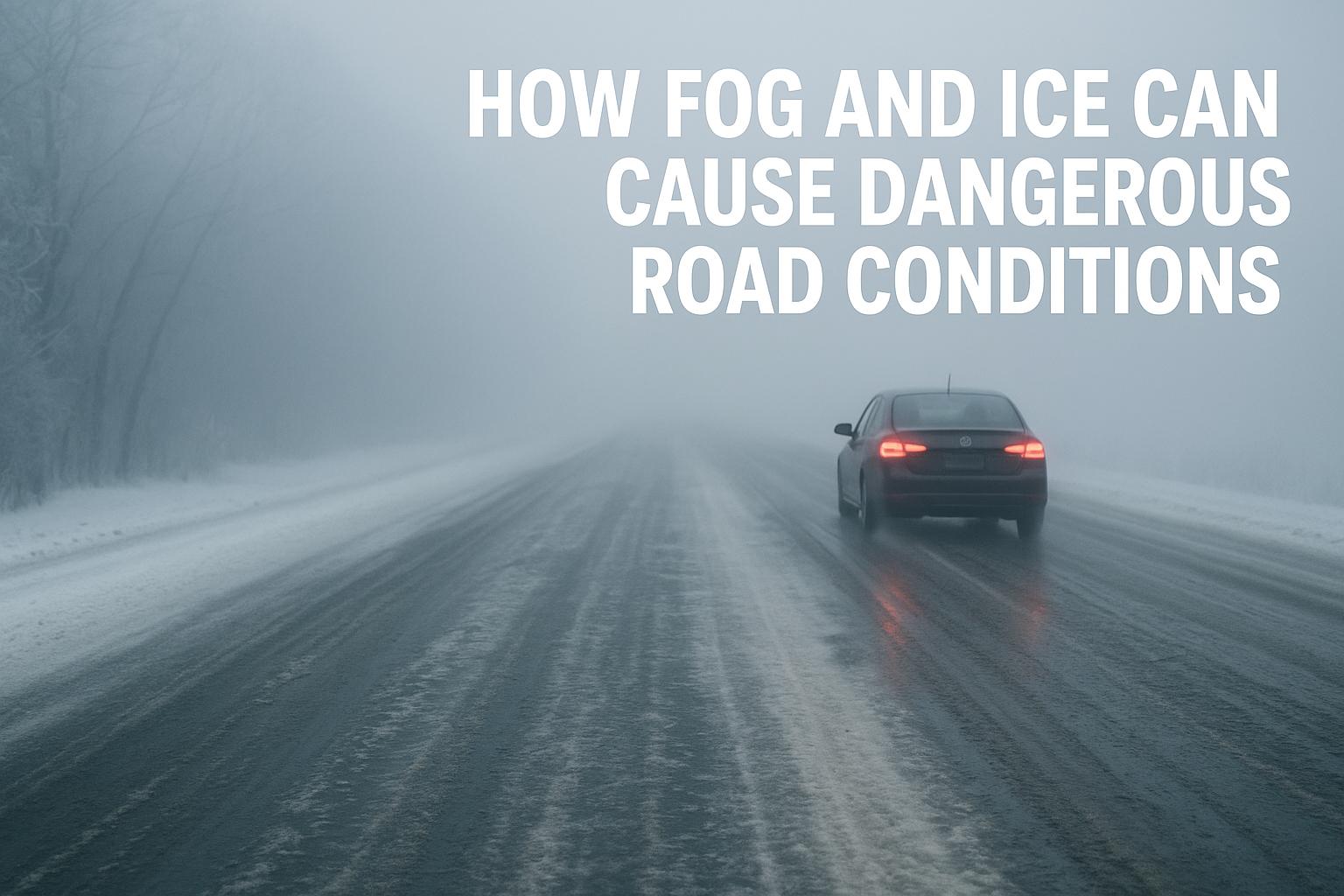
How Fog and Ice Can Cause Dangerous Road Conditions
The Hazardous Impact of Fog and Ice on Road Safety
Fog and ice are two weather phenomena that pose significant risks to road safety. With the potential to disrupt visibility and traction, these conditions demand vigilance and adaptability from drivers. Understanding how fog and ice affect driving can be pivotal to ensuring that necessary precautions are implemented to minimize accidents and improve overall safety.
Understanding Fog and Its Impact on Driving Conditions
Fog is a meteorological condition characterized by the accumulation of tiny water droplets suspended in the air, leading to drastically reduced visibility. When a thick fog blankets the road, drivers face significant visual impediments, which can have critical consequences for road safety.
Reduced Visibility: The presence of fog curtails visibility to a few meters or less, significantly increasing the risks of vehicular accidents. As it is difficult for drivers to see vehicles, road signs, and obstacles, the likelihood of collisions rises, especially during peak commuting hours. A range of studies highlights that accidents resulting from poor visibility due to fog occur with alarming frequency. To counteract this, adopting safe practices, such as using low-beam headlights instead of high-intensity lights which can reflect off the fog and worsen visibility, is recommended. In cases of severe visual impairment, considerations such as pulling over to a safe area until conditions improve should be made.
Judgment and Reaction Time: One of the most overlooked impacts of fog is the distortion of perception it causes. The way fog alters visibility makes it challenging for drivers to gauge distances accurately, which can result in dangerous miscalculations. Delayed reaction times due to these distorted perceptions can lead to disastrous accidents, including collisions and pile-ups. Drivers need to be vigilant and ready to respond more cautiously when traversing fog-laden roads.
The Dangers of Ice on Roads
The dangers posed by ice cannot be understated, particularly when it is not easily visible to drivers. Known as black ice or clear ice, this type of ice presents one of the most severe hazards for drivers during the winter months.
Loss of Traction: Icy roads severely diminish the friction between tires and the road surface, which plays a crucial role in vehicle control. This loss of traction is exacerbated when executing maneuvers such as stopping, accelerating, or turning, thereby increasing the chances for the vehicle to skid out of control. In colder climates, a large number of traffic accidents during winter have been attributed to icy road conditions. To address this, drivers should exercise caution and apply defensive driving techniques.
Slippery Conditions: Regardless of the visibility of the ice, the slickness can present a significant challenge to maintaining vehicular control. This slipperiness can result in extended stopping distances, demanding that drivers maintain a larger safety margin between themselves and the vehicles they follow. Speed moderation becomes imperative in such conditions to enhance safety.
Mitigating Risks Associated with Fog and Ice
While the presence of fog and ice cannot always be predicted or avoided, adopting safe driving practices can help mitigate their inherent risks:
Plan Ahead: Staying informed about current and forecasted weather conditions through resources like local weather forecasts is a prudent step. If adverse conditions such as ice or fog are anticipated, delaying travel plans or opting for alternate routes may be wise.
Use Proper Equipment: Having the appropriate equipment, such as fog lights and winter tires, can play an instrumental role in navigating through foggy or icy conditions more safely. Ensuring that your vehicle is appropriately equipped can help significantly diminish the potential hazards associated with such weather phenomena.
Adopt Safe Driving Techniques: Applying cautious driving techniques is essential when dealing with compromised road conditions. This includes reducing driving speeds, increasing the space between vehicles, and remaining cognizant of the actions of other drivers. Avoiding abrupt movements and steering inputs, particularly on icy roads, helps maintain control and enhances safety for all road users.
Conclusion
Fog and ice are substantial contributors to hazardous road conditions and pose considerable challenges for drivers by increasing the likelihood of accidents. Drivers need to have an in-depth understanding of these weather phenomena to take preventative measures adequately. By being well-prepared, adapting driving practices, and staying informed, drivers can enhance their safety as well as the safety of others sharing the road. Remember, always adapt your driving to align with the current and expected weather conditions, exercising increased caution in the presence of fog and ice.