The Impact of Fog on Electrical Power Transmission
The Impact of Fog on Electrical Power Transmission
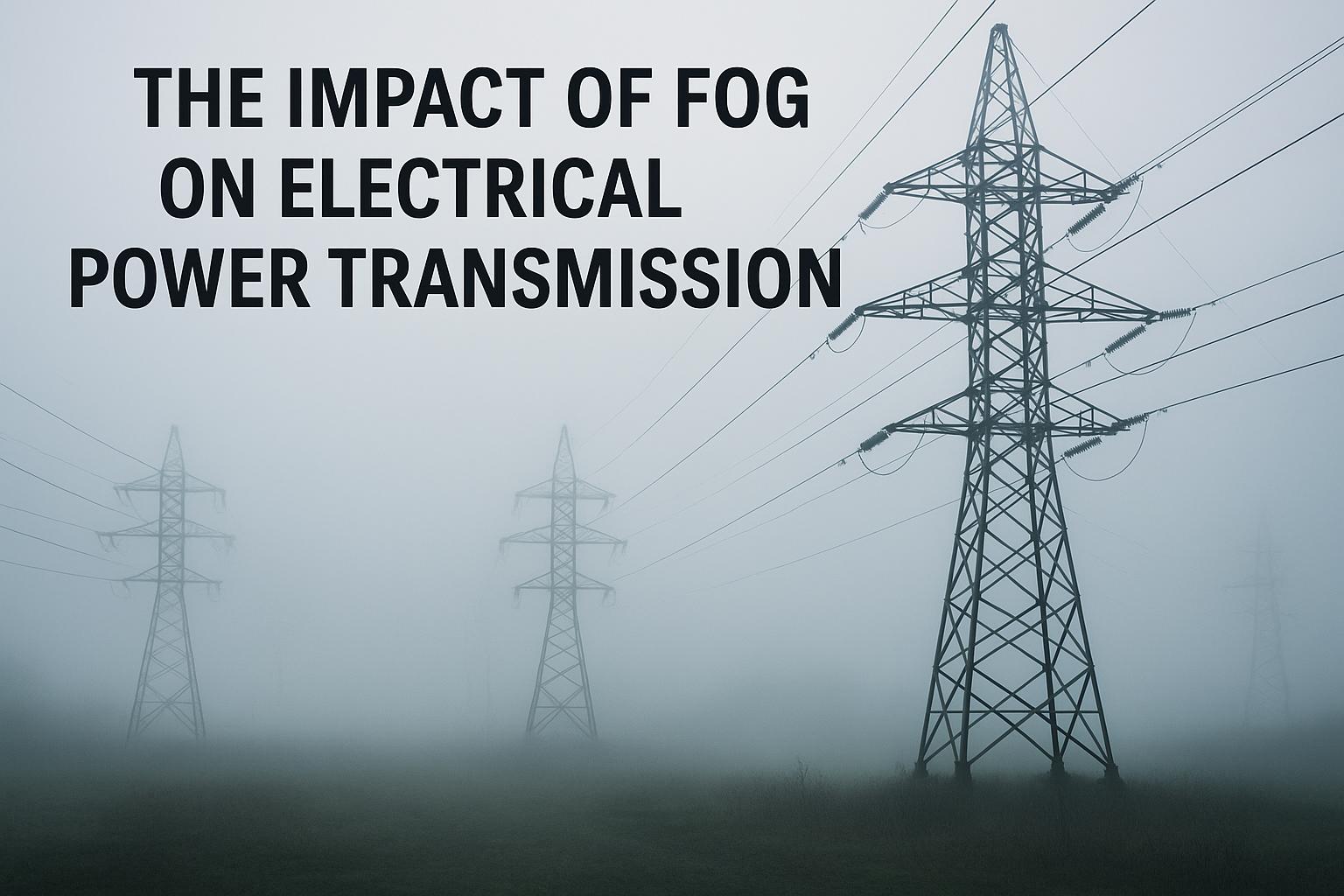
The phenomenon of fog, often characterized by its thick, cloud-like presence near the ground, can have significant implications on various sectors. One such area is electrical power transmission, where fog can pose serious challenges. Understanding these impacts is critical for maintaining the reliability and efficiency of power systems.
Electromagnetic Interference and Insulation
Dense fog can cause electromagnetic interference across power lines. This interference arises because fog consists of tiny water droplets suspended in the air, which can have a conductive effect when combined with contaminants. As a result, this can lead to ionization in high-voltage environments, impacting the performance of insulators and potentially leading to electrical discharges.
The presence of moisture in the atmosphere is a known contributor to the ionization of the air surrounding high-voltage power lines. This ionization can become a pathway for unwanted electrical discharges, commonly known as corona discharge. The consequences of corona discharge include energy losses, radio noise, and audible noise. Over time, these issues can degrade the quality of electrical power being transmitted and can lead to a decrease in system efficiency.
Insulators are crucial to ensuring the effective and safe transmission of electrical power. Their primary function is to support electrical conductors without allowing current to flow through the insulator material. When fog introduces moisture into the environment, especially if pollutants or other contaminants are present, insulators can become less effective, creating paths for electrical leakage. This leakage can not only lead to power losses but also increase the likelihood of power outages and equipment damage.
Corrosion and Equipment Degradation
Moreover, fog can accelerate corrosion processes on exposed metal components of transmission towers and lines. The moisture in fog, when mixed with industrial pollutants, can be particularly corrosive, reducing the lifespan of critical components. This means that regular maintenance and inspection are vital to prevent unexpected failures.
Corrosion is an electrochemical process that gradually degrades metal. In the case of power transmission infrastructure, steel and aluminum components are often affected. When fog is combined with industrial pollutants, such as sulfur dioxide and nitrogen oxides, it can result in acidic deposition on these metal surfaces. Over time, this acidic environment accelerates metal corrosion. The integrity of transmission towers and lines can be compromised, leading to costly repairs and potential safety hazards.
Operators of power transmission systems must be vigilant in inspecting and maintaining their equipment. This includes the application of protective coatings and paints that slow the corrosion process, as well as regular cleaning and inspection routines to identify early signs of degradation. Such preventive measures can help avoid catastrophic failures and extend the service life of transmission infrastructure.
Reduced Line Capacity
Fog also impacts the thermal rating of power lines. The presence of moisture-laden air can reduce the cooling effect typically expected in open environments. This decreased cooling efficiency can lead to elevated conductor temperatures, necessitating a reduction in the current carrying capacity of the lines to prevent overheating.
The cooling of power lines is a natural process facilitated by the ambient air. When fog reduces the effectiveness of this cooling by insulating the conductors with a layer of moisture, the lines can heat up more quickly when transmitting electricity. Elevated temperatures can cause conductors to sag, potentially causing contact with vegetation or other structures, which could lead to short circuits or fires.
Operators often need to lower the current flowing through the transmission lines during foggy conditions to manage these risks. This is essential to prevent thermal overload and maintain a safe distance between conductors and the ground or nearby obstacles. As a result, the overall capacity of the power grid may be temporarily reduced, impacting the ability to meet peak power demand.
Economic Implications and Preventative Measures
The economic implications of fog-induced challenges can be profound, potentially leading to costly repairs, increased maintenance, and power outages. In addressing these issues, power companies often invest in advanced monitoring technologies and weather prediction systems to mitigate risks associated with fog.
The financial impact of managing fog-induced challenges in power transmission cannot be understated. Power companies face increased operational costs due to elevated maintenance and inspection activities. Furthermore, outages caused by fog can lead to significant economic losses for both utility companies and consumers. These outages can disrupt residential life and essential services.
To mitigate these issues, power companies invest in technologies designed to predict and monitor fog conditions. Meteorological stations equipped with sensors can provide real-time data on humidity and air temperature levels, helping operators make informed decisions about power line loads and maintenance schedules.
Innovative solutions, such as the development of hydrophobic coatings for insulators and conductors, are also being explored. These coatings aim to repel moisture, thereby reducing the risk of ionization and corrosion. Hydrophobic coating technology can make surfaces water-repellent, minimizing the chances of moisture-induced interference and prolonging the life of the transmission infrastructure.
In addition, alternative materials and designs for insulators and conductors are continually being researched and tested. These advancements aim to create components more resilient to environmental challenges, including fog, thus enhancing the robustness of power transmission systems.
Conclusion
Through continued research and the implementation of innovative technologies, the power transmission industry can better prepare for and combat the multifaceted impacts of fog on electrical systems. This proactive approach ensures the reliability and longevity of the infrastructure central to modern society’s energy needs.
By understanding the various ways fog can affect the transmission of electricity, industry leaders can develop more effective strategies to manage these challenges. The adoption of advanced materials, preventive maintenance practices, and state-of-the-art forecasting technologies will be instrumental in maintaining a stable and reliable power supply.
As the climate continues to change and weather patterns become more unpredictable, these efforts in adapting to environmental challenges are critical. Stakeholders, including power companies, governments, and technology developers, must work collaboratively to ensure that the power transmission network can withstand natural phenomena like fog, ultimately safeguarding the energy security of communities worldwide.