The Role of Fog in Coastal Upwelling and Marine Life
The Importance of Fog in Coastal Ecosystems
Fog is much more than a simple atmospheric occurrence over water or along coastal landscapes. It serves as an integral component of coastal ecosystems, impacting both the physical dynamics of the environment and the biological entities that occupy these regions. Through its influence on processes like coastal upwelling, fog significantly contributes to maintaining the delicate balance required for the productivity and sustainability of these ecosystems. Understanding the complex interplay between these elements is essential for conservation efforts and the management of coastal resources.
Coastal Upwelling and Its Connection to Fog
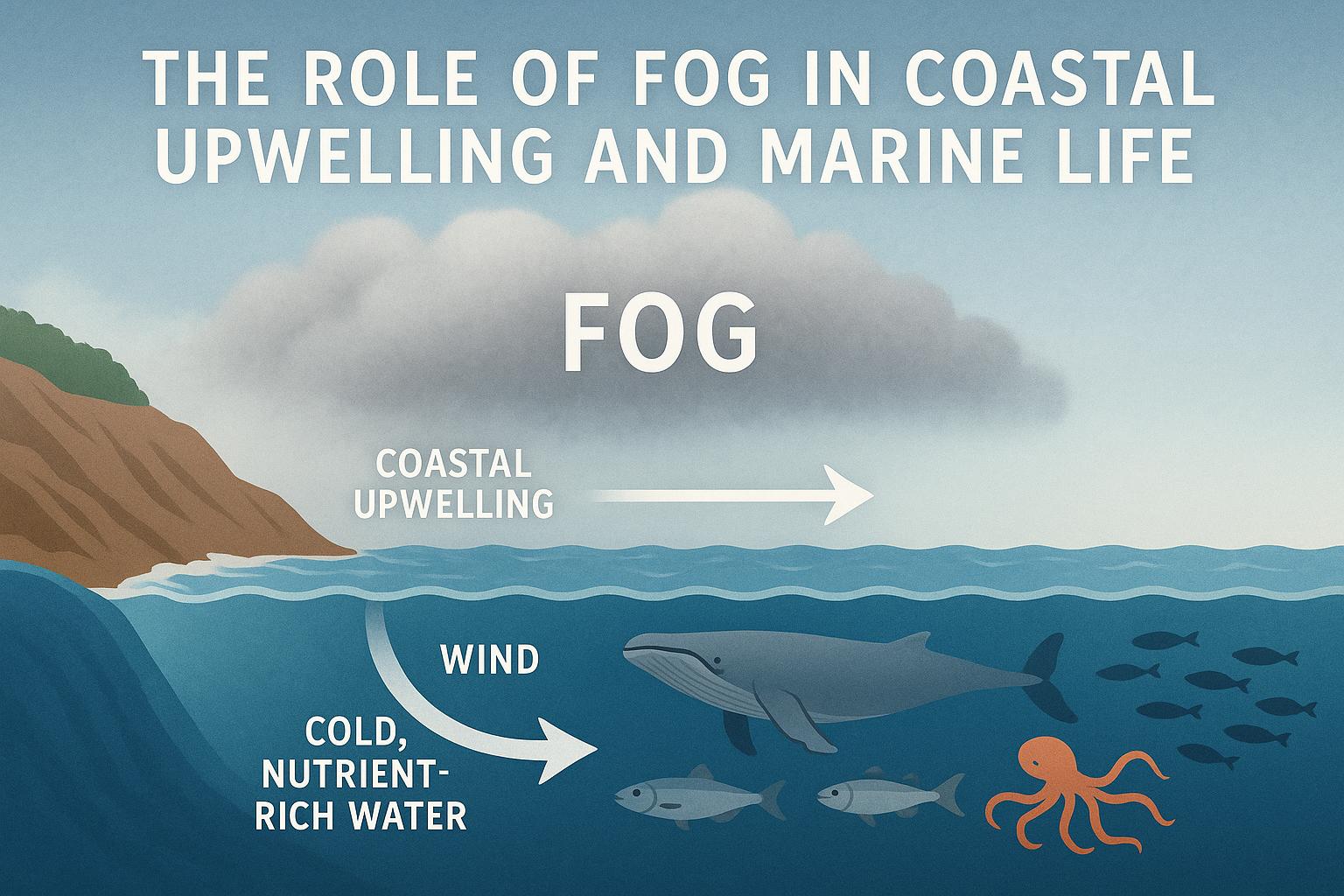
Coastal upwelling is a significant oceanographic phenomenon characterizing many coastal regions globally. This process occurs when surface waters are moved offshore by wind movements, allowing nutrient-rich waters from the depths to rise to the surface. Such nutrient abundance is a cornerstone for marine productivity since it provides the essential resources needed for the proliferation of primary producers, namely phytoplankton, which serve as the foundational base of the marine food chain.
Fog plays a notable role in this upwelling process. Its formation is often influenced by the cooling and moisture-laden air moving over the cool surface waters brought up by the upwelling. The condensation of water vapor in the air results in the creation of fog, particularly in areas where upwelling activity is prevalent like the western coasts of continents.
The Symbiotic Relationship Between Fog and Upwelling
The formation of fog contributes to a stable coastal environment. The cooling effect induced by fog helps regulate and maintain lower nearshore surface temperatures. These moderate temperatures are crucial for sustaining the nutrient-rich water at the surface, making it readily available for phytoplankton growth. This dynamic relationship between upwelling and fog creation forms a reinforcing loop where each process supports and enhances the other.
The Impact of Fog on Marine Life
Fog indirectly affects marine life by ensuring that the nutrients brought to the surface via upwelling processes remain available to support extensive ecosystems. The presence of a stable, cool marine environment rich in nutrients is conducive to the flourishing of phytoplankton populations. As the primary producers, phytoplankton underpin the aquatic food web, feeding zooplankton which in turn support fish, marine mammals, and seabirds.
Fog’s Benefit to Coastal Flora and Fauna
While primarily associated with ocean phenomena, fog also directly contributes to the well-being of coastal flora and fauna. Many coastal plants have adapted to utilize the high humidity and moisture content within fog as a supplement to their water intake. In areas where traditional water sources may be scarce or inconsistent, this fog collection can be critical to their survival and growth.
Fog’s Effect on Fish and Bird Populations
Fish populations are notably impacted by the abundance of phytoplankton, their primary food source. Species like sardines and anchovies thrive in environments marked by consistent upwelling and the resultant presence of fog, which helps sustain an optimal environment for their sustenance. This abundance at lower trophic levels supports larger predators, creating a robust ecosystem.
Avian populations that depend heavily on fish as their primary food source also feel these effects. Birds like pelicans and gulls are intricately linked to the health of the fish populations fostered by the upwelling-supported fog environment. The interdependence among these species highlights the importance of understanding and preserving the natural processes that contribute to their habitats.
The Broader Environmental Context
Understanding the role of fog within coastal ecosystems necessitates a comprehensive view of the larger environmental and geographic factors. Several critical elements contribute to fog formation and its ecological impact, such as ocean currents, wind dynamics, and the specific geographic features of the coastlines where these processes unfold. Each of these factors can influence the frequency and intensity of fog events, and therefore, impact the ecosystems depending on these conditions.
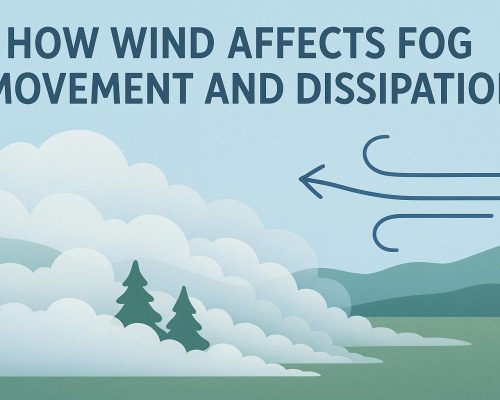
Ocean currents, for example, facilitate the persistent motion required for upwelling, thereby indirectly influencing fog formation. Similarly, wind patterns determine the movement of surface waters and are integral to both upwelling and the resultant cooling required for fog. Geographical features such as mountains and valleys can funnel winds and influence how fog forms and dissipates along coastlines.
For those interested in delving deeper into the intricate relationship between atmospheric conditions like fog and marine ecosystems, resources from authoritative scientific entities, including the National Oceanic and Atmospheric Administration (NOAA), offer a wealth of information. These resources illuminate how atmospheric phenomena can significantly affect marine environments by interacting with various oceanographic and meteorological elements.
In conclusion, fog is a vital and multi-faceted element within coastal ecosystems, far exceeding its role as a mere weather phenomenon. By reinforcing upwelling processes and supporting the ecosystems that rely on these nutrient-rich environments, fog plays an indispensable role in maintaining the balance and productivity of coastal marine life. This understanding not only highlights the need for continued study and preservation of natural marine processes but also underscores the interdependent nature of earth’s atmospheric, oceanographic, and biological systems.