The Best Cameras for Capturing Foggy Landscapes
Understanding the Challenges of Capturing Foggy Landscapes
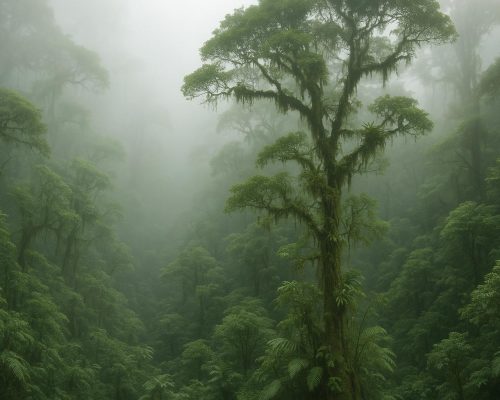
Foggy conditions can transform a landscape into a mystical and serene scene, but photographing in such conditions poses unique challenges. The diffused light, limited visibility, and subtle contrasts require a camera that can handle low-light situations effectively while maintaining image quality. This article will explore some of the best cameras equipped to capture these ephemeral moments.
Key Features to Consider
When selecting a camera for foggy landscape photography, it is essential to consider several key features. Every detail of this process contributes to ensuring that the camera can meet the specific demands these misty conditions impose.
Low-Light Capabilities: A key feature to focus on is a camera’s performance in low-light environments—this is where foggy photography mainly challenges photographers. Fog creates an ambiance with limited natural light, which means having a camera that can handle such conditions is critical. Look for a model with a wide aperture lens and a high ISO setting. This combination allows the camera to capture sharper images, reducing the risk of noise and blurriness without compromising on clarity.
Dynamic Range: Another vital aspect is the camera’s dynamic range. The fog creates scenes that often feature low contrasts, making it hard to distinguish details unless the dynamic range is managed properly. A camera with an impressive dynamic range will ensure subtle changes in tone and shade are effectively highlighted. Ensuring neither the highlights nor shadows lose their details is paramount for depth in foggy landscape photography.
Weather Sealing: Conditions accompanying fog can be unpredictable and damp. Therefore, having a camera with sufficient weather sealing helps protect your gear from adverse weather elements like moisture and mist. This feature extends the longevity of your camera and keeps it functioning in peak condition.
Recommended Cameras for Foggy Landscapes
Diving into some camera options, here are recommendations based on performance and suitability for foggy landscapes:
Sony A7 III: The Sony A7 III is a versatile option, brimming with features that suit the low-visibility and low-light characteristics of fog. It has a 24.2MP full-frame sensor capable of producing high-quality results, even in near-dark scenarios. Thanks to the BIONZ X image processor and an ISO range expandable to 204,800, users can achieve optimal exposure, capturing every nuanced detail. Complementing these are its robust dynamic range and weather-sealing, ensuring the camera’s durability in wet conditions.
Canon EOS R6: Another stellar choice is the Canon EOS R6, equipped with a 20MP full-frame CMOS sensor. Powered by the DIGIC X image processor, this model is tailored for challenging lighting environments. Its ISO range, extending to 102,400, is complemented by in-body stabilization capabilities that provide steadiness, resulting in clear imagery even with more challenging foggy photo compositions.
Compact Options for Foggy Landscape Photography
For photographers prioritizing portability without sacrificing image quality, compact cameras offer a practical solution:
Fujifilm X-T4: Renowned for its stunning color reproduction and image quality, the Fujifilm X-T4 is armed with a 26.1MP APS-C sensor. It balances excellent dynamic range with commendable performance in low-light situations. The camera’s robust build and weather resistance make it suitable for shoots in moist surroundings.
Olympus OM-D E-M1 Mark III: Ideal for those looking for a lightweight camera, the Olympus OM-D E-M1 Mark III comes with a 20.4MP sensor and impresses with in-body stabilization. Its refined weather sealing ensures protection against moisture and other environmental extremes, proving its reliability in fog-laden settings.
Additional Tips for Foggy Landscape Photography
Navigating through foggy photography requires not only good equipment but also certain technical prowess. Consider the following tips to enhance your results:
– Use a Tripod: Stability is critical, especially when dealing with low-light environments where longer exposure times might be necessary. A tripod helps prevent any motion blur, allowing for crisp and clear images.
– Shoot in RAW Format: This image format provides the highest quality by preserving all the data from the camera sensor. Shooting in RAW gives you more flexibility in post-processing, allowing you to adjust elements like exposure and white balance with greater precision.
– Experiment with Exposure Compensation: Due to the mellow light conditions of foggy scenes, cameras tend to overexpose the image. Adjusting exposure compensation settings can help you achieve a more accurately exposed photograph, maintaining focus on specific areas of interest.
For those keen on extensive reviews and specific technical specifications of these cameras, exploring photography-focused platforms like DPReview or The Phoblographer is recommended. These sites provide detailed insights, aiding in the decision-making process for those ready to venture into the intriguing realm of foggy landscape photography.
In conclusion, capturing the ethereal beauty of foggy landscapes requires careful consideration of technical features, appropriate gear selection, and application of specific techniques. By understanding these elements, photographers can transform challenging conditions into opportunities to showcase nature’s mystical side through stunning imagery.