How Fog Helps Maintain Biodiversity in Certain Ecosystems
Introduction
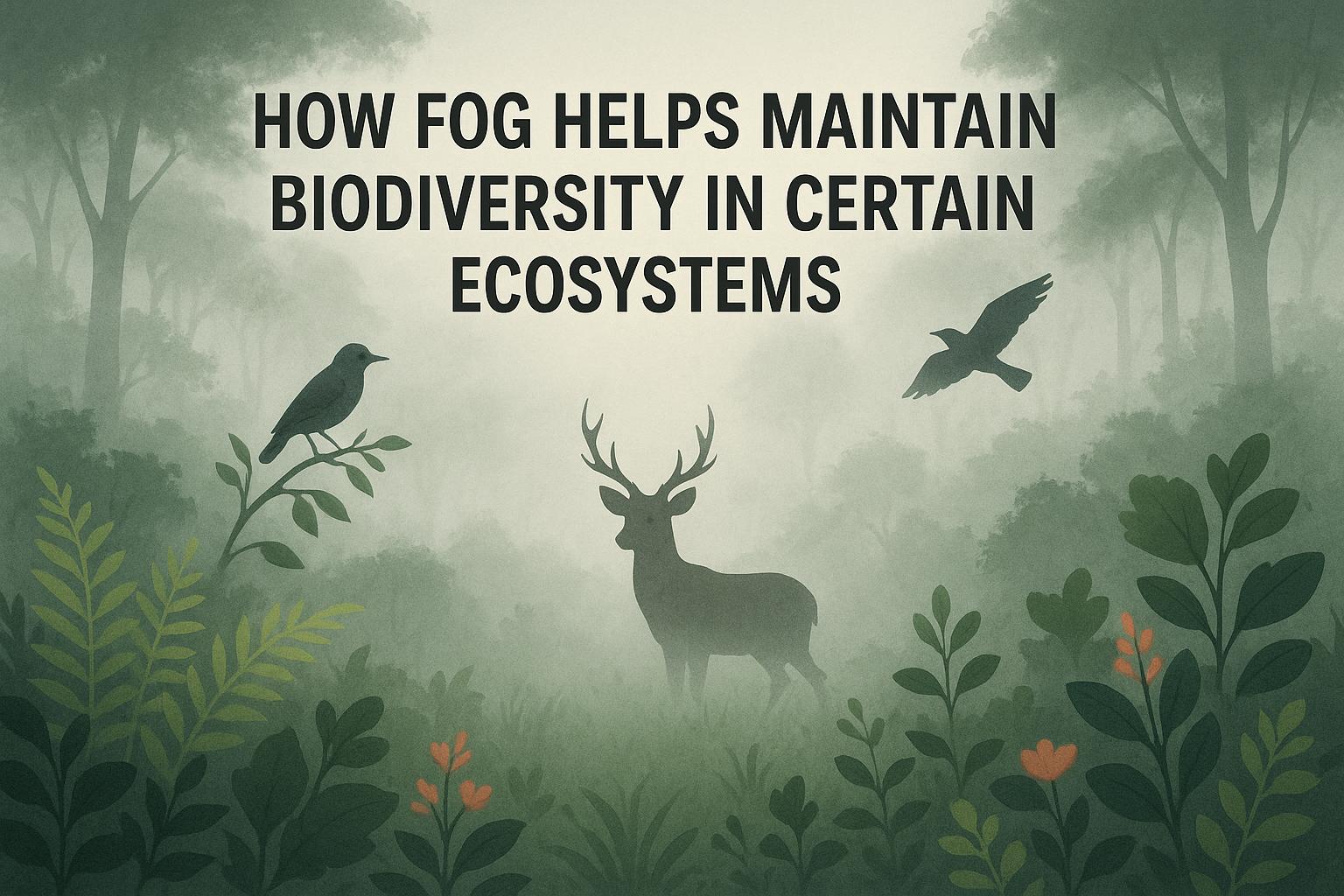
Fog is an often-overlooked meteorological phenomenon that plays a crucial role in maintaining biodiversity in certain ecosystems. This article explores how fog contributes to sustaining various forms of life and preserving unique habitats across the globe.
The Role of Fog in Ecosystems
Fog acts as a crucial water source for many ecosystems, especially in regions where rainfall is scarce. It ensures that plants receive the moisture they need to survive and thrive, supporting both flora and dependent fauna. The unique role of fog in maintaining biodiversity cannot be overstated, as it provides essential hydration that enables a wide range of life forms to flourish.
Importance of Fog in Water-Scarce Regions
In many parts of the world, such as arid deserts and semi-arid coastal areas, the availability of water is a constant challenge. Traditional precipitation may be infrequent or insufficient to sustain local ecosystems. Fog, acting as an alternative source of moisture, becomes indispensable. Through a process known as fog drip, moisture from the fog is captured by plant surfaces and directed to the ground, thus infiltrating the soil and becoming accessible to root systems. This method not only sustains individual plants but plays a crucial role in the survival of entire plant communities and the wildlife that depends on them.
Fog-Dependent Regions
Fog is particularly important in coastal and mountainous regions. In places like the coastal redwood forests of California or the Andes Mountains in South America, fog delivers much-needed moisture. These areas have adapted to the presence of fog, with plant life evolving in response to the specific conditions. Trees, shrubs, and smaller plants absorb water directly from fog, compensating for lack of precipitation.
The role of fog in these ecosystems extends beyond simple hydration. It helps maintain the delicate ecological balance by stabilizing the microclimates within these regions. For example, fog serves as a buffer against extreme temperature fluctuations, preserving a constant environment in which both plant and animal species can thrive.
Impact on Flora
Vegetation in fog-laden areas often has specialized adaptations to harvest moisture from the air. The leaves of certain plants are structured to capture fog droplets, which then trickle down to the roots. This mechanism ensures that even in dry periods, these ecosystems maintain their lush appearances and continue to support diverse life forms.
Take the coastal redwoods, for example. These trees are well-known for their towering heights and impressive size, but their survival heavily relies on the moisture provided by fog. The needles of redwood trees are adept at capturing fog, providing up to a third of the trees’ water needs through this silent process. This explains why these trees can grow to such monumental heights and maintain verdant growth despite seasonal droughts.
Impact on Fauna
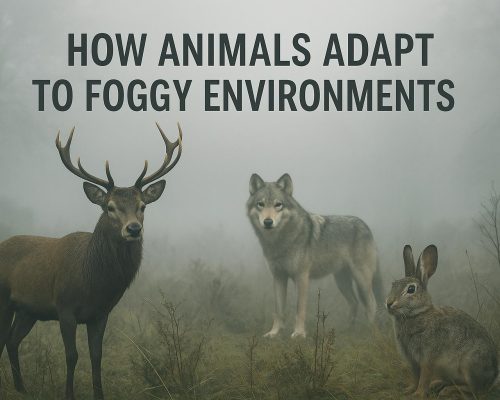
In foggy regions, the fauna has also adapted to rely on the consistent presence of fog for survival. Water collected from fog can fill small pools and streams, serving as vital hydration sources for animals. Some animal species may also rely on the consistent cool and humid conditions that fog generates in their habitats.
For instance, in the arid habitats of Baja California, certain species of amphibians and reptiles—such as the spadefoot toad—utilize these temporary water sources created by fog collection to breed and sustain their populations during the dry season. This reliance showcases how fog contributes to not only hydration but also the life cycle and reproductive strategies of various species.
Climate Regulation
Fog also plays a role in regulating local climates, reducing temperature extremes and serving as a natural air conditioner. This climate moderation creates stable environments that can support more specialized and sensitive species that might not survive otherwise.
In this context, fog acts as an insulative layer over ecosystems. By reducing solar radiation and maintaining humidity levels, fog prevents drastic temperature shifts between day and night. This not only protects individual species sensitive to climate changes but also maintains the integrity of entire ecosystems, allowing a broader range of biodiversity to coexist.
Threats and Conservation
As the impact of climate change becomes increasingly apparent, fog-dependent ecosystems are under threat. Decreases in fog could lead to severe consequences for biodiversity in these regions. Conservation efforts focus on understanding the dynamics of fog and its interactions with these ecosystems to develop strategies aimed at preserving these vital natural phenomena.
Human-induced climate change poses a significant threat to the presence of fog. As global temperatures rise, the specific conditions necessary for fog formation may become less common, putting the ecosystems that depend on fog at risk. Studies are being conducted to track changes in fog patterns and their impacts on local biodiversity. Conservation efforts strive to create awareness about these issues, encourage sustainable practices, and protect pivotal habitats.
Efforts to preserve fog-dependent ecosystems must also consider broader environmental policies and community involvement. By fostering an understanding of fog’s critical role, conservationists hope to inspire measures that mitigate climate change, support sustainable development, and safeguard these unique ecosystems for future generations.
Learn more about fog conservation efforts.
Conclusion
Fog is an integral part of maintaining biodiversity in certain ecosystems worldwide. It provides essential water resources, influences climate regulation, and supports a wide range of flora and fauna. Recognizing its value and ensuring its presence in vulnerable ecosystems is vital for biodiversity conservation. As awareness grows, so too does the potential for effective conservation efforts that will preserve the balance of these unique habitats.