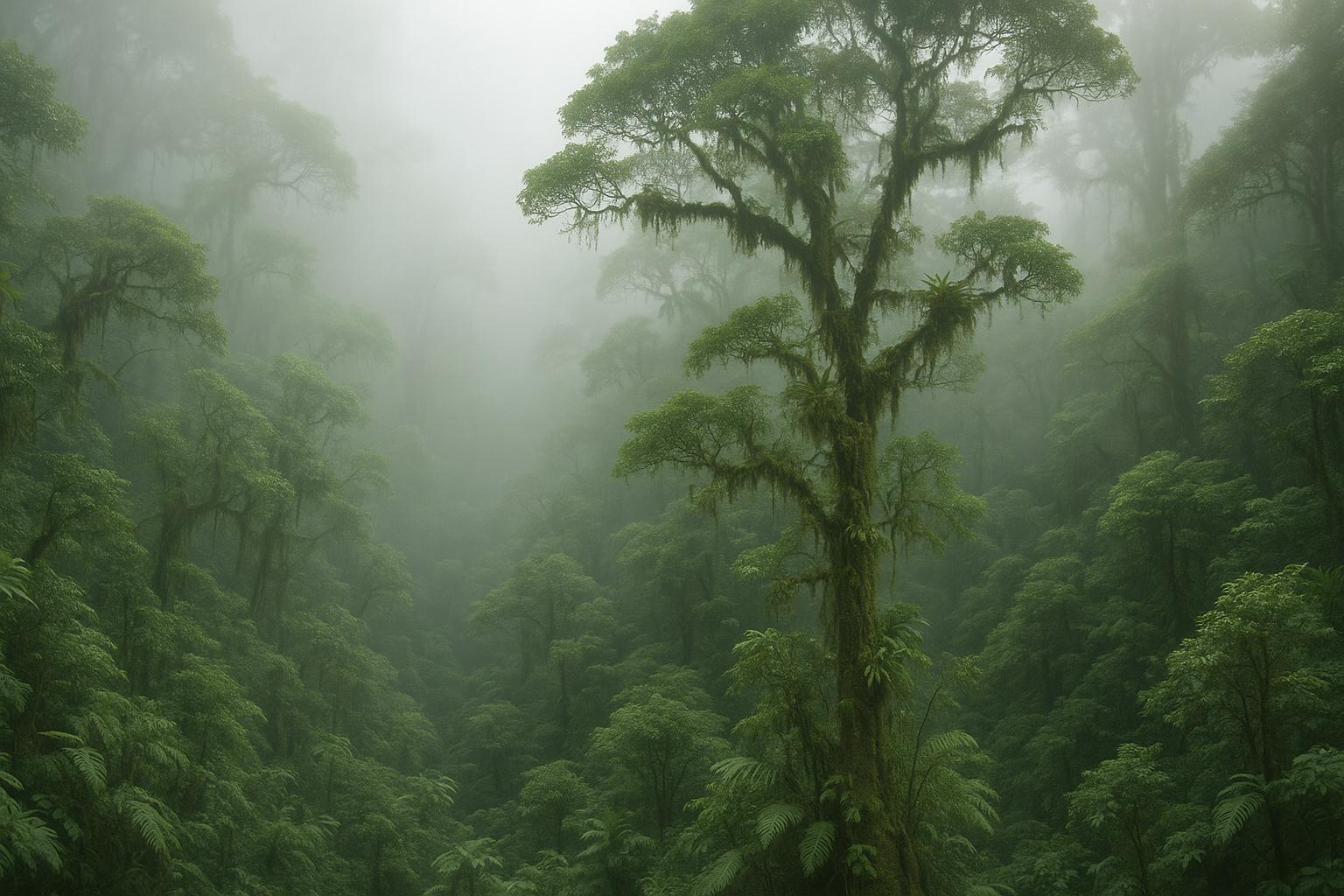
How Fog Contributes to Tree Growth in Cloud Forests
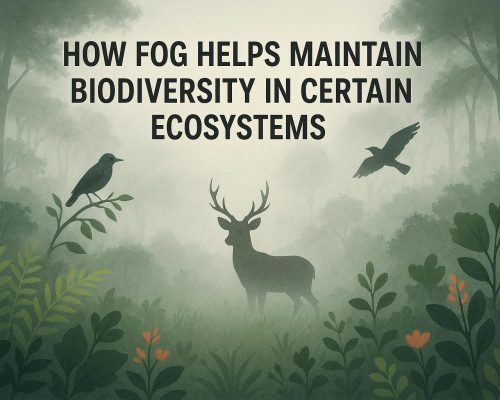
Cloud forests, often characterized by their misty environments and frequent enveloping low clouds, provide a unique ecosystem that thrives on the interplay between climate factors and rich vegetation. This dynamic environment serves as a rare and vital habitat, supporting a wide range of biodiversity due to its distinctive climatic and geographic features. One of the most compelling aspects of cloud forests is their reliance on fog—an essential element that significantly influences tree growth and sustains the ecosystem’s health. In this expanded discussion, we will delve deeper into various roles fog plays in cloud forests, exploring its contributions to hydration, nutrient uptake, temperature regulation, and the critical considerations for conservation.
The Role of Fog in Cloud Forests
The unique climate of cloud forests revolves significantly around the role of fog. While most forest ecosystems primarily depend on precipitation as their water source, cloud forests rely heavily on fog for horizontal precipitation. This term describes the capture of moisture directly from the air, a process facilitated by the lush vegetation in these forests. Rather than relying solely on rainwater, the flora of cloud forests has adapted to harness water droplets suspended in the fog, emphasizing the distinctive relationship between the atmosphere and the terrestrial environment.
Hydration through Fog
Cloud forest trees possess remarkable adaptations that allow them to directly intercept water from the air. Unlike trees in drier regions primarily dependent on soil moisture, cloud forest vegetation utilizes fog interception as a primary water source. The leaves and branches feature specialized structures optimized for capturing and retaining water. Examples include waxy coatings, hair-like structures, or broad surfaces that increase water collection efficiency. By securing moisture from fog, the plants reduce their dependency on sporadic rainfall, ensuring sustained growth even in less favorable weather conditions.
Furthermore, fog-derived moisture significantly lessens the impact of dry spells on these forests. Rather than relying on soil moisture, which can deplete quickly without rain, the constant presence of fog helps buffer these ecosystems from prolonged dry periods. This continuous water availability is critical in maintaining the lush, green environment characteristic of cloud forests.
Enhanced Nutrient Uptake
Beyond hydration, fog serves as an essential medium for nutrient acquisition. The water droplets within the fog are often rich in both organic and inorganic compounds, which augment the nutrient content accessible to vegetation upon condensation. As such, fog acts as a conduit for nutrient deposition, enhancing soil fertility and supporting diverse plant life.
This nutrient deposition plays a crucial role in cloud forest health, fostering growth and sustainability. The nutrients supplied by fog are integral to various biological processes, including photosynthesis and plant metabolism. Consequently, the interaction between fog and flora contributes significantly to nutrient cycles, supporting the myriad species that inhabit these ecosystems.
Fog and Temperature Regulation
Another vital function of fog in cloud forests pertains to its role in moderating temperatures. The presence of fog acts akin to a natural insulator, contributing to more stable and consistent thermal conditions within the forest. This thermal buffering effect limits the range of temperature fluctuations, creating an environment that is both protective and conducive to diverse life forms.
This temperature regulation is particularly beneficial for species that are sensitive to drastic weather changes. By creating a stable microclimate, fog ensures that the living conditions remain suitable for various fauna and flora, enhancing the overall resilience of the ecosystem to external climate variations.
Conservation Implications
Given the pivotal role of fog in supporting cloud forest ecosystems, there are substantial conservation implications. Potential shifts in climate patterns, particularly those altering the frequency or intensity of fog, could have significant repercussions on the health of these ecosystems. There is an urgent need for conservation efforts tailored to preserving the fog dynamics that underpin cloud forest viability.
Human activities, such as land use changes and deforestation, stand out as key threats capable of disrupting local microclimates and fog patterns. As such, concerted efforts must focus on maintaining the ecological balance, preventing degradation, and ensuring that cloud forests continue to thrive. For instance, safeguarding the trees that facilitate fog capture is crucial in preserving water and nutrient cycles.
Understanding the intricate interactions between fog and tree growth within cloud forests is critical. Only through a comprehensive appreciation of these dynamics can effective strategies be developed to conserve these irreplaceable ecological reserves. Initiatives must be multi-faceted, addressing both the climatic and biological aspects necessary for cloud forest sustainability.
In conclusion, the harmony between fog and vegetation exemplifies the extraordinary complexity of cloud forests. Advocating for awareness and proactive conservation efforts is imperative in ensuring that these ecosystems continue to flourish amidst growing environmental challenges. For more insights into cloud forest conservation initiatives and strategies, resources provided by organizations such as the Cloud Forest Blueprint can offer invaluable guidance.