How Fog Affects Hiking and Outdoor Activities
Understanding Fog and Its Formation
Fog, a common meteorological phenomenon, is made up of tiny water droplets suspended in the air near the Earth’s surface. Essentially a cloud that hugs the ground, fog forms predominantly due to factors such as temperature, humidity, and geographic conditions. Its genesis often requires a marked temperature contrast between the Earth’s surface and the air just above, leading to the condensation of water vapor. This process can be influenced by various environmental factors, including the time of day, the season, and the physical terrain.
Impact on Visibility and Navigation
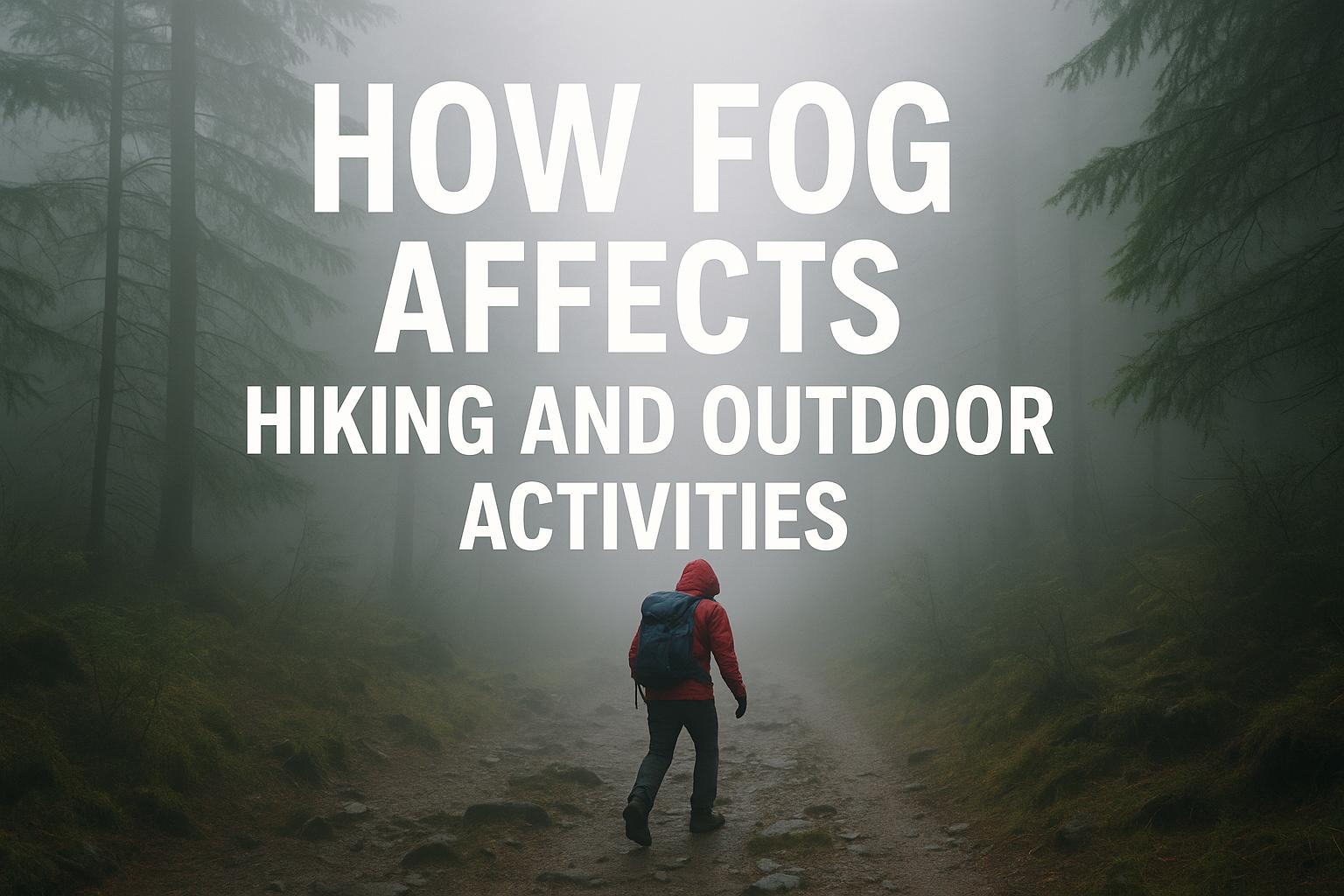
The most immediate and noticeable consequence of fog’s presence is its effect on visibility. With visibility often plummeting to less than a quarter of a mile, fog presents significant challenges for hikers and outdoor enthusiasts. In diminished visibility, navigation can become difficult, especially in regions unfamiliar to those traversing them. Landmarks become obscured, making it easy to veer off course or take unintentional detours. Strategies to cope with low visibility include utilizing maps and compasses, and refraining from relying solely on visual landmarks that may not be visible in foggy conditions.
Safety Considerations
Safety becomes a paramount concern when embarking on activities in foggy surroundings. Reduced visibility inherently increases the likelihood of mishaps, such as slips, trips, and collisions. Hence, hikers are strongly advised to equip themselves with a map, compass, or a reliable GPS device, alongside acquiring a firm understanding of their intended route. The importance of brightly colored clothing cannot be overstated, as it enhances visibility to fellow hikers and rescue personnel in case of emergencies. Fog also bears the potential to worsen existing weather conditions, potentially precipitating hypothermia due to the combined effects of cold and damp air. Layered clothing is a prudent choice, incorporating moisture-wicking materials to remain comfortable and dry in such weather.
Effects on Wildlife and Ecosystems
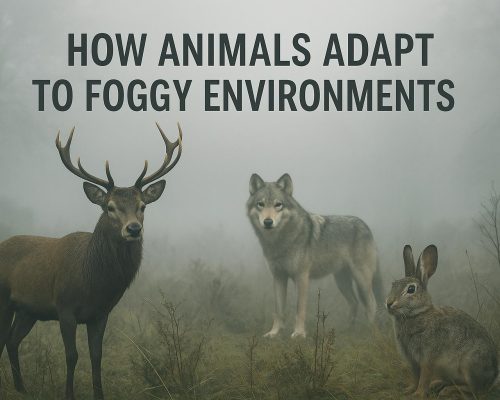
Apart from human challenges, fog’s influence extends to local wildlife and ecosystems. Many animals depend on sight for navigation and hunting, and dense fog can severely disrupt these activities. Conversely, fog plays a crucial role in arid regions by delivering much-needed moisture, supporting plants and animals that rely on this resource. However, the persistence of fog can also impede photosynthesis in plants, potentially stunting their growth and affecting the broader ecosystem.
Planning and Precautionary Measures
Preparation is key before engaging in outdoor ventures whenever fog is anticipated. Checking weather forecasts in advance and staying informed on local conditions are prudent first steps. Real-time updates on visibility and fog intensity, easily accessible via weather apps and websites, can significantly aid in trip planning. Furthermore, understanding the area’s topography through detailed trail maps and resources enhances preparedness. As foggy conditions can be unpredictable, having a contingency plan is advisable.
In conclusion, while fog undeniably introduces challenges to outdoor activities, comprehending its implications and applying suitable precautionary measures can significantly improve safety and enjoyment. Being prepared, maintaining awareness, and showing respect for the natural dynamics of weather enable individuals to have a rewarding experience, even when nature throws a foggy curveball. Through diligent preparation and an informed approach, outdoor enthusiasts can safely embrace the beauty and mystery that foggy landscapes often present, turning potential obstacles into avenues for adventure.