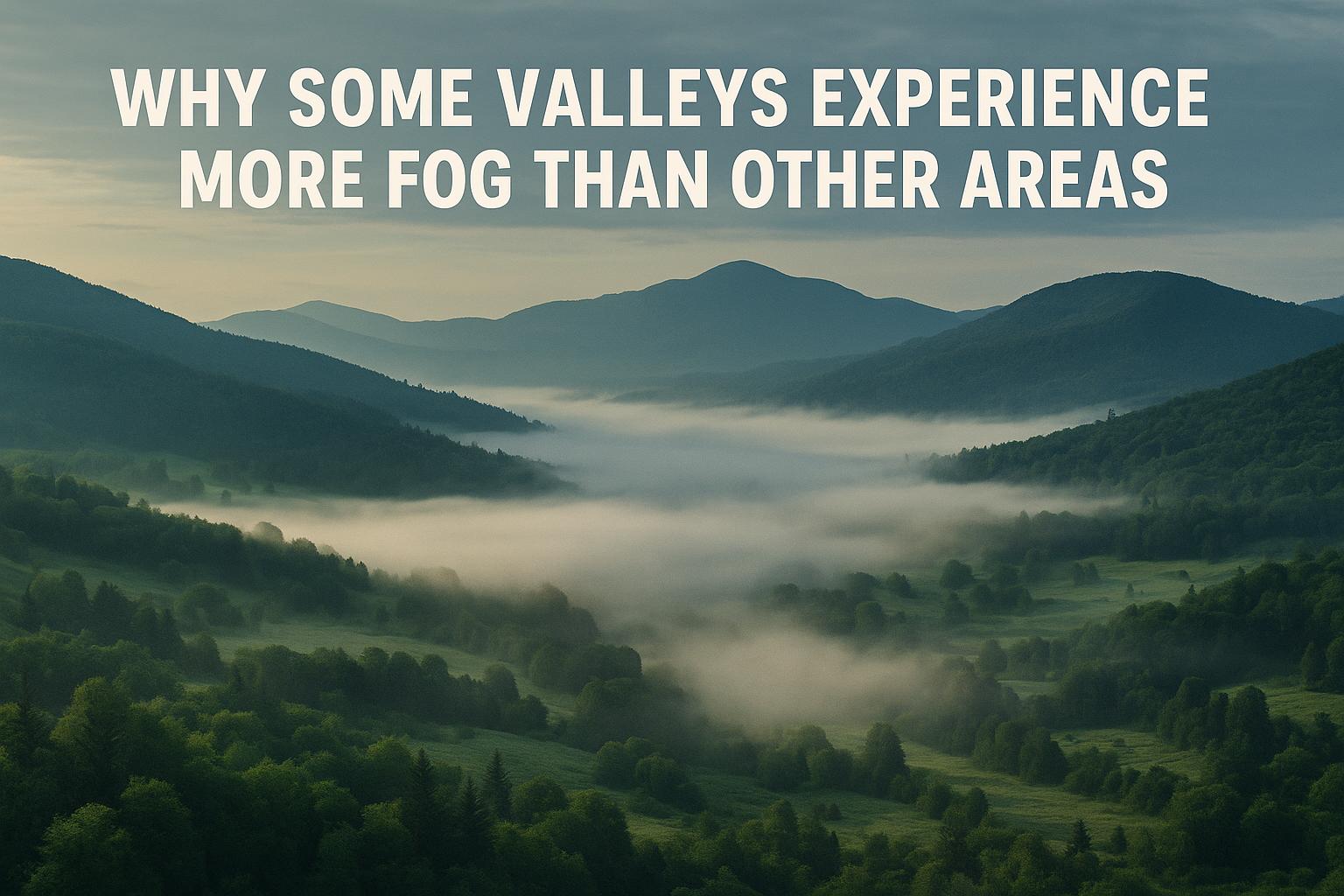
Why Some Valleys Experience More Fog Than Other Areas
Understanding Fog Formation in Valleys
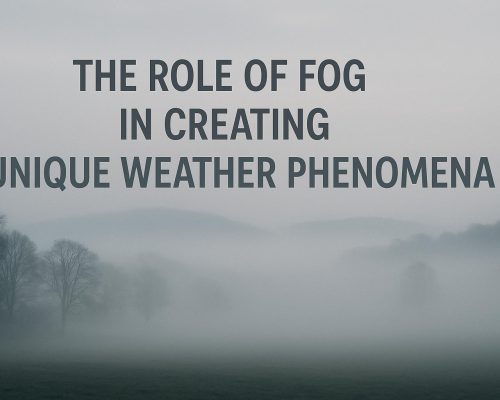
The formation of fog in valleys is a fascinating natural phenomenon that intertwines geology, meteorology, and environmental science. Valleys, as geographical depressions between hills or mountains, create unique microclimates where fog is often a notable feature. However, some valleys experience more frequent and thicker fog than others, and unraveling the mystery behind this requires an exploration of several contributing factors, from geographical and environmental elements to human influences.
Temperature Inversion
A central factor contributing to fog formation in valleys is temperature inversion. On clear nights, the earth’s surface cools rapidly, a process that is enhanced in valley regions due to their geographical position. In these settings, the denser, colder air tends to settle in the lower altitudes of the valleys. Meanwhile, warmer air from higher altitudes moves above, trapping the cooler air below. This results in a stable atmosphere where vertical mixing of the air layers is inhibited. The air at the valley floor, rich in moisture, becomes saturated, and fog is formed when condensation occurs.
This temperature inversion is pronounced in valleys due to the surrounding mountains acting as natural barriers that prevent the cooler air from dissipating quickly. The effect of this trapped cold air can extend well into the day, depending on the intensity of the inversion and the subsequent solar heating needed to break it.
Moisture Sources
Moisture availability is another critical factor in fog formation. Valleys with abundant moisture sources are more predisposed to frequent fog occurrences. Bodies of water such as rivers, lakes, and reservoirs are common in valleys and serve as substantial sources of moisture. During the day, moisture evaporates but remains trapped within the valley, a process that contributes significantly to atmospheric saturation as temperatures drop at night. As the air becomes saturated, condensation follows, resulting in fog.
In addition to water bodies, vegetation also plays a vital role in maintaining atmospheric moisture levels. Through the process of transpiration, plants release water vapor into the atmosphere, further aiding in moisture buildup required for fog formation. Valleys rich in vegetation or those located in forested regions may see more fog due to this natural moisture cycle.
Topographical Influence
The shape and orientation of a valley influence the occurrence and persistence of fog. Valleys with steep and enclosed sides create a natural catchment area for cooler air, limiting airflow and allowing fog to settle and remain. Conversely, valleys that are broader or open at both ends benefit from better air circulation, which can help disperse fog.
The orientation of a valley relative to prevailing winds is another important aspect. Valleys oriented in such a way that they are shielded from prevailing winds may retain fog more easily compared to those that are open to winds, which can sweep moisture-laden air away before condensation occurs.
Seasonal Variations
Seasonality is a major influencer of fog patterns in valleys. The colder months provide conditions conducive to the formation of temperature inversions, leading to more frequent fog occurrences. During these times, longer nights facilitate more extended periods of radiational cooling, enhancing inversion strength.
In regions where dry and wet seasons are distinct, valleys may observe higher instances of fog during the wet season. Increased rainfall contributes to soil and atmospheric moisture, creating an environment primed for fog formation as temperatures at night cool the air to its dew point.
Human Activities
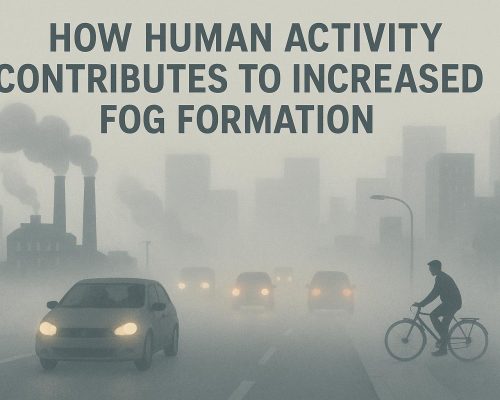
Human activities can have indirect yet significant impacts on fog conditions in valleys. Urbanization, for example, typically introduces heat islands that alter the natural temperature profiles of an area, potentially affecting inversion layers. Industrial and agricultural activities may introduce pollutants and particulates into the atmosphere, which can act as nuclei for fog droplet formation.
Furthermore, changes in land use also influence natural water cycles and moisture availability. Deforestation or the draining of wetlands can reduce atmospheric moisture sources, impacting fog frequency and density. Conversely, irrigation practices in agriculture can increase local humidity levels, possibly enhancing fog formation under specific conditions.
Conclusion
The phenomenon of fog in valleys is complex and driven by a combination of climatic and geographical factors. Temperature inversions, moisture availability, and the specific topographical features of a valley are primary determinants of fog frequency and intensity. Seasonal variations and human activities also weigh heavily on these dynamics, modifying conditions in profound ways.
An understanding of these various factors not only unravels the reasons behind the varied fog patterns across different valleys but also offers insights that are vital for numerous practical applications. The ability to predict fog conditions is particularly crucial for aviation, agriculture, and transportation industries, which are highly sensitive to fog-induced disruptions.
For those interested in exploring fog phenomena further, a wealth of resources is available from meteorological and environmental research institutions, providing deeper insights and detailed studies into this and other weather-related occurrences.